
Reviewed · GREAT ZIMBABWE RUINS TOURS
Great Zimbabwe
Great Zimbabwe is not a quick photo stop. It is an ancient stone city spread across hilltops and valleys, with dry-stone walls built without mortar and a history reaching back to the 9th century. You can walk through the Great Enclosure, Hill Complex, and valley ruins, then see original Zimbabwe Bird carvings in the museum.
I like the small group size, capped at eight, and the chance of having the site wonderfully quiet. I also like the mix of archaeology and living culture, with Mbira music at the cultural village and a Zimbabwean meal after the ruins. The main drawback is the road time: from some pickup points, the drive takes roughly four to four and a half hours each way.
Key points to know before booking
- A full 12-hour day: Start time is 6:00 am, with much of the day taken up by the journey to and from the site.
- Three major ruin areas: The Great Enclosure, Hill Complex, and valley ruins each offer a different view of the old city.
- Dry-stone engineering: The walls use carefully fitted stone, with no mortar holding them together.
- Original Zimbabwe Bird carvings: The museum adds important context and protects some of the site’s most famous objects.
- Up to eight people: The small vehicle group allows for a more personal day, with one booking even operating as a private trip for two.
- Food and culture included: Expect a late breakfast or brunch, a hearty Zimbabwean meal or picnic barbecue, and traditional Mbira music.
Why Great Zimbabwe deserves a full day
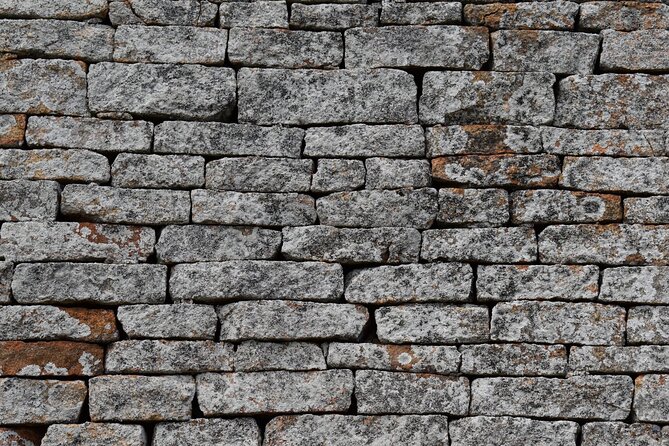
The appeal here is easy to understand once you see the walls. Great Zimbabwe was not a single fortress or a lone ceremonial monument. It was a large stone city linked with the ancestral Shona people, and its remains show the skill, organization, and influence of the kingdom that built it.
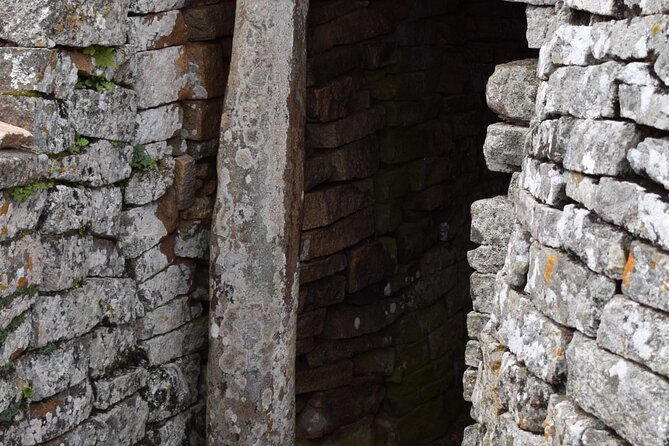
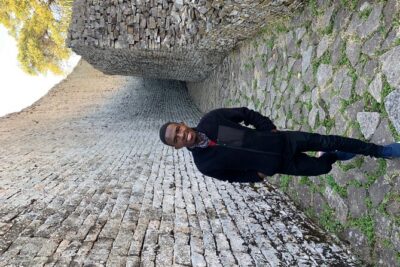
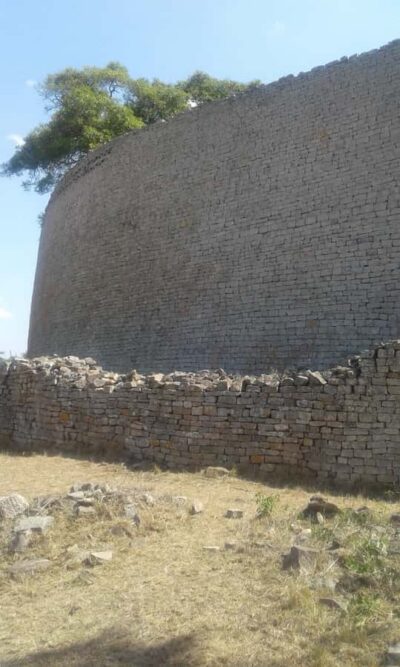
The site is famous for its freestanding walls. Builders shaped and stacked granite blocks with care, creating strong curves, passages, and enclosures without using mortar. That detail matters. You are not looking at a pile of old stones. You are looking at planned architecture that has survived for centuries through balance and workmanship.
The ruins are also tied to the name Zimbabwe itself. The city is widely treated as the cultural heartland of the country, making a visit useful far beyond the pleasure of seeing impressive masonry. You get a clearer sense of where Zimbabwe’s national identity comes from and why this place holds such importance.
I especially like that the experience does not stop at the ruins. The museum, Zimbabwe Bird sculptures, symbolic wall patterns, local music, and food give the day more texture. You are able to connect the stones with the people and ideas behind them.
More great zimbabwe ruins tours in Zimbabwe:
- Great Zimbabwe Tour from Harare
★ 5.0 · 6 reviews - Great Zimbabwe: The World’s View Historical Site !!
★ 5.0 · 4 reviews - MASVINGO; GREAT ZIMBABWE MONUMENT TOUR – FROM HARARE
★ 5.0 · 4 reviews
Leaving at 6:00 am for the road
The early start is practical, not decorative. Pickup begins at 6:00 am, and the trip takes about 12 hours in total. Depending on your starting point, the drive to Great Zimbabwe can take around four to four and a half hours, followed by the return journey.
That makes this a serious day out. You should be comfortable spending many hours in a vehicle, especially if you are coming from Bulawayo or another distant base. The long drive is the clear trade-off for reaching one of Zimbabwe’s most important archaeological sites in a single day.
There is a benefit to starting early. You make the most of the daylight and reach the ruins with time for a proper guided visit rather than a rushed stop. The small group limit, with no more than eight people, also helps the day feel less like a large coach excursion.
One booking had only two people in the vehicle, with guide and driver Blessing handling the trip. That kind of setup can make a long road day easier because the schedule and conversation can feel more personal. Still, the group size can vary, so you should book for the maximum of eight rather than assume you will have a private car.
Pickup is offered, and confirmation arrives at booking. The experience is near public transportation, and service animals are allowed. Most people can participate, but you should be ready for outdoor walking over uneven ground.
Breakfast before the stone city
Food is built into the day, which is helpful after the early start. The meal may come as a late breakfast or brunch after you arrive, rather than a full morning breakfast soon after pickup.
That timing is worth noting. If you need food early in the morning, do not rely only on the included meal. Carry a small snack and water for the drive, especially since the road portion is long and the formal meal comes later.
A meal before the guided walk gives you time to reset after the drive. It also keeps the day from becoming a bare-bones archaeological transfer. The experience includes a hearty Zimbabwean lunch or picnic barbecue as well, so food is more than an afterthought.
The exact meal setup can vary, but the supplied details describe a substantial local lunch. Treat it as part of the cultural side of the day, not simply as fuel between stops.
Walking through the Great Enclosure
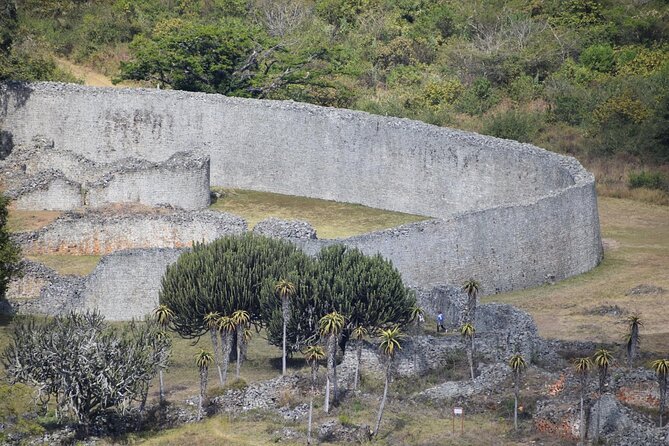
The Great Enclosure is likely the most memorable part of the visit. Its enormous curved walls show the scale and control of Great Zimbabwe’s builders. The stonework is made entirely from dry-laid blocks, so the walls hold together through careful construction rather than mortar.
Look closely at the surfaces as you walk. The small variations in stone size and texture make the walls feel handmade, yet the curves and lines remain remarkably disciplined. This is the kind of place where a guide adds real value. Without explanation, you might admire the shape. With context, you can begin to understand how the enclosure fitted into the old city and why it mattered.
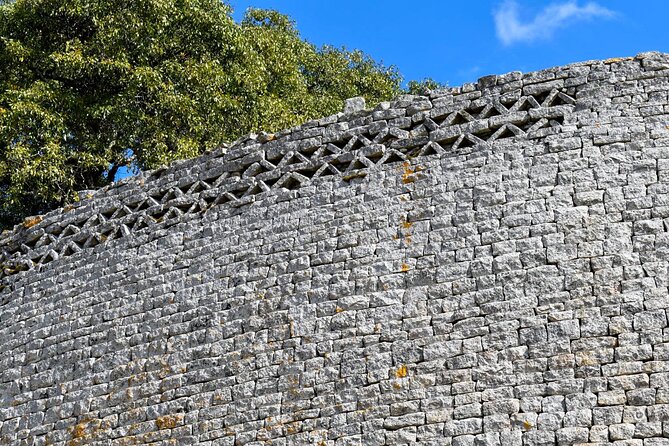
The tour highlights original Chevron patterns on the walls. These designs are associated with fertility and provide a reminder that the buildings were not only practical structures. They carried symbolic meaning too.
The enclosure is also where the scale of the site becomes clear. The remains are often described as second only to Egypt’s pyramids in size among major ancient African monuments. Even if you know that comparison before arriving, the better way to appreciate the place is to focus on the walls themselves: their height, their curves, and the labor required to build them.
Same falls, a completely different kind of day:
- Helicopter Scenic Flight over Victoria Falls 12-13 minutes Flight
★ 5.0 · 1,391 reviews - Victoria Falls: Dinner Cruise on the Zambezi River
★ 4.9 · 925 reviews - Dinner Cruise on the Zambezi River
★ 5.0 · 518 reviews - Victoria Falls: Chobe National Park Day Trip with Lunch
★ 4.7 · 518 reviews
Climbing toward the Hill Complex
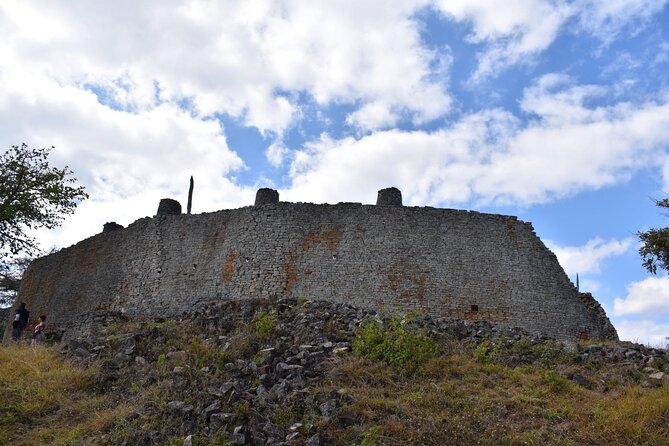
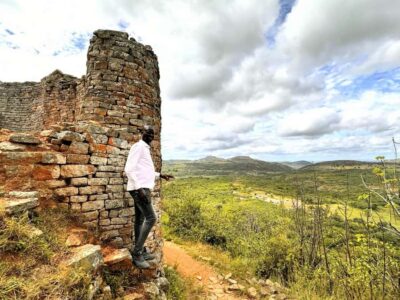
The Hill Complex gives you a different experience from the Great Enclosure. Here, the setting on higher ground helps you read Great Zimbabwe as a city with distinct zones rather than one isolated monument.
The route involves outdoor walking and may include uneven surfaces, so closed-toe walking shoes are essential. You do not need to turn the visit into a strenuous hike, but this is not a polished indoor attraction. Wear shoes that feel secure and bring a hat for sun protection.
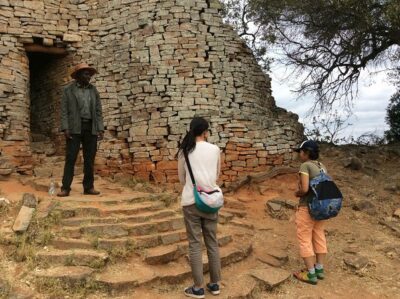
The guide’s explanation is particularly useful around the hill ruins because the remaining stones can be harder to interpret at a glance. The walls, platforms, and passages need context. A good explanation helps you picture how the complex may have worked and how the different parts of the city related to one another.
Take your time here. The site is at its best when you pause to notice the construction rather than hurry from one wall to the next. On a quiet day, the stillness makes the old city feel even more powerful.
Reading the valley ruins
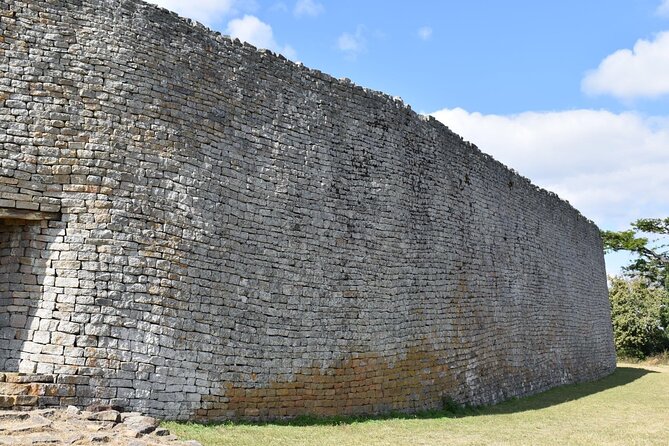
The valley ruins add another layer to the visit. After the grand scale of the Great Enclosure and the higher Hill Complex, the valley areas help show that Great Zimbabwe was a broad settlement with several connected parts.
You can expect the guide to place these remains within the larger story of the city. This is one reason the guided format earns its place in the price. A self-guided look at scattered stone walls can leave you guessing. The explanation links the ruins, the people who built them, and the role of the settlement in the old kingdom.
The valley areas may feel less immediately dramatic than the biggest enclosure, but they are important for understanding the site as a living city. I would not rush through them simply because the walls are lower or less complete.
The experience promises a thorough explanation of the ruins, and the three-part visit gives you a full picture of Great Zimbabwe’s architecture. Plan on roughly two hours for the main guided walk, based on the available timing. The full day remains much longer because of the road journey.
The museum and the Zimbabwe Birds
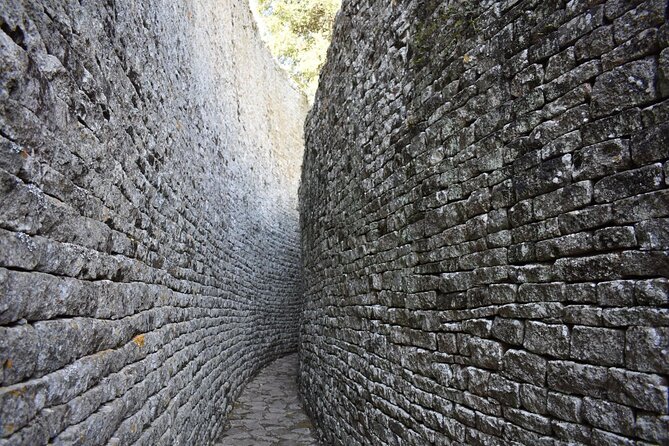
The museum is small, but it adds something the walls cannot. It houses original stone carvings of the Zimbabwe Birds, among the most recognizable symbols connected with Great Zimbabwe.
These sculptures help you connect the archaeological site with Zimbabwean identity. After seeing the walls in place, the museum gives you a closer look at objects shaped and handled by people from the culture that created the city.
Do not treat the museum as a filler stop. It is a useful pause in the middle of an outdoor visit, particularly on a hot day. The building also gives you a chance to focus on individual objects instead of only judging the ruins by their scale.
The museum visit is one more reason to keep the schedule unhurried. Great Zimbabwe works best when you combine the big view with the small details.
Chevron designs and the meaning behind them
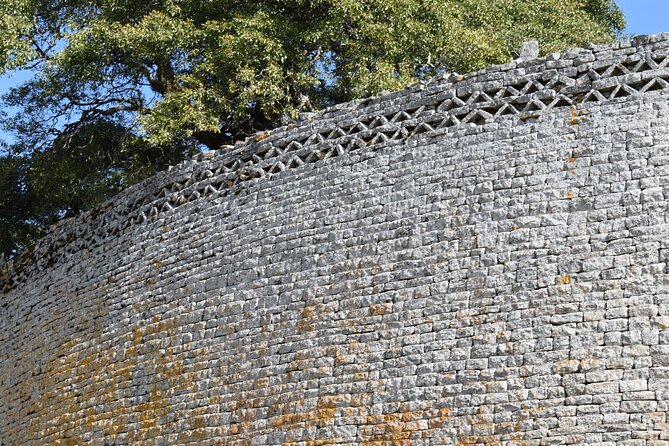
The Chevron patterns deserve special attention because they show how decoration and belief were joined in the architecture. The designs are linked with fertility, giving the walls a symbolic role as well as a structural one.
Your guide can help you notice these patterns rather than walk past them as ordinary decoration. Once pointed out, they make the walls feel more deliberate and expressive.
This is also where the cultural value of the experience becomes clear. Great Zimbabwe is not only an engineering achievement. The city reflects ideas about power, fertility, ceremony, and community. The patterns offer a small but important clue to the people who lived here.
Mbira music at the cultural village
The cultural village adds a living element after the archaeological visit. You can hear traditional Mbira music, an instrument used as part of daily life and to communicate with higher spirits.
That performance helps prevent the ruins from feeling disconnected from modern Zimbabwe. The music gives you a direct encounter with a tradition that carries spiritual and social meaning.
I like this part because it avoids treating Great Zimbabwe as a silent collection of old walls. The site has a continuing cultural presence, and Mbira music gives you a way to sense that connection.
The cultural village is not a substitute for the ruins, and the ruins are not a substitute for living culture. Together, they make the day more balanced. You see what remains from the past, then hear a tradition that still has a place in Zimbabwean life.
Is the $260 price good value?
At $260 per person, this is not a budget day trip. The value depends mainly on your starting point and how much you would have to arrange yourself.
The price includes pickup, the long drive, a guided visit, food, and cultural elements. A small group of no more than eight also gives you a more personal format than a large sightseeing coach. If you are staying far from Great Zimbabwe, the transport alone is a meaningful part of the cost.
The price is easier to justify if you have limited time in Zimbabwe and want to see Great Zimbabwe without arranging a long-distance vehicle, meals, and local guidance separately. It is less attractive if you are already staying close to the ruins or have your own transport and can organize a shorter visit.
The high satisfaction rate and 4.9 rating from 11 posted ratings suggest the experience has delivered strongly for its intended audience, but the sample is small. I would focus less on the number and more on the practical question: are you happy to pay for convenience, explanation, and a full day of transport?
Group discounts are available, which may improve the value for a party booking together.
What to bring for the walk
The advice on clothing is sensible and worth following. Bring:
- Closed-toe walking shoes for uneven outdoor surfaces
- A hat and sunglasses
- Sunscreen
- Insect repellant
- A light jacket if you are traveling during the rainy season
- Water and a small snack for the early road journey
The rainy season deserves extra attention. One account specifically found a hat, jacket, and solid shoes useful. The tour requires good weather, so poor conditions can lead to a different date or a full refund.
Dress for sun and walking rather than for a formal sightseeing venue. You will get more from the ruins if you are comfortable enough to stop, listen, and look closely.
Who should book this Great Zimbabwe tour?
I would recommend it to anyone who cares about Zimbabwean heritage, ancient architecture, or African archaeology. It is also a strong choice if Great Zimbabwe is high on your list but you do not want to arrange a long drive and guide independently.
The tour suits couples, families, and small groups who value personal attention. Most people can participate, but you should be comfortable with a long vehicle journey and outdoor walking.
It is less suitable for anyone with only a few spare hours, anyone who dislikes early starts, or anyone who finds four hours in a vehicle each way too tiring. The attraction itself deserves time, and the road distance is part of the experience.
You can cancel for a full refund up to 24 hours before the local start time. Changes or cancellations inside that window are not accepted for a refund. Since the experience depends on good weather, a weather cancellation brings the choice of another date or a full refund.
Should you book it?
Book this tour if you want Great Zimbabwe explained, not merely photographed. The combination of the Great Enclosure, Hill Complex, valley ruins, museum, Zimbabwe Birds, Mbira music, and local food gives you a fuller understanding of the place.
The decision comes down to the road. Four to four and a half hours each way is a lot, but the small group, pickup, guide, meals, and full access to the main parts of the site make the long day more manageable. If you can spare the time and the $260 fits your budget, this is a practical way to reach one of Zimbabwe’s essential cultural sites.
FAQ
What time does the Great Zimbabwe tour start?
The tour starts at 6:00 am.
How long does the experience last?
The full experience lasts approximately 12 hours.
How much does the tour cost?
The listed price is $260 per person.
How many people can join the tour?
The group is limited to a maximum of eight people.
Is hotel pickup available?
Yes. Pickup is offered.
What parts of Great Zimbabwe will I visit?
The experience includes the Great Enclosure, Hill Complex, and valley ruins.
Is food included?
Yes. The experience includes a late breakfast or brunch and a hearty Zimbabwean meal or picnic barbecue.
Will I see the Zimbabwe Bird sculptures?
Yes. The museum houses original stone carvings of the Zimbabwe Birds.
What happens if the weather is poor?
The experience requires good weather. If it is canceled because of poor weather, you can choose another date or receive a full refund.
Just added around Zimbabwe
- Zambezi National Park Private Wildlife Safari (4 – 10 hours)★ 4.9 · 9 reviews
- Zimbabwe: Sundowner Cruise (Standard) Zambezi River★ 4.8 · 5 reviews
- Victoria Falls: Whitewater Rafting Experience★ 4.5 · 4 reviews
- Zambezi 3hr Game Drive★ 4.6 · 5 reviews
- Zambezi River: Kid-Friendly Whitewater Rafting★ 5.0 · 3 reviews
- Victoria Falls: Zambezi National Park Game Drive★ 3.9 · 8 reviews
- Victoria Falls: Zambezi River White Water Rafting Experience★ 5.0 · 7 reviews
- Victoria Falls: Vulture Safari and Bush Walk★ 5.0 · 5 reviews
Great Zimbabwe Ruins Tours, compared.
Great Zimbabwe Ruins Tour from Bulawayo with Picnic Lunch !
Read our review →Browse the lists this tour appears in