Reviewed · PRIVATE
Victoria Falls: Private Zambezi River Birdwatching Safari
The African Finfoot is the prize here, but the real pleasure is the search. You move slowly through the Zambezi’s channels and around its islands, watching overhanging branches, sandbanks and open water for birds that are hard to find elsewhere in southern Africa. A private boat gives your guide time to stop when something interesting appears.
I like the close views of hippos and crocodiles, and I like the chance to see more than 30 bird species in a single outing. Guides such as Kennedy, Kenneth, Itela and Clement have been praised for their sharp eyes and easy manner. I also like that the boat can slow down for photographs instead of rushing from one sighting to the next.
The main caution is that birding depends on weather, season and luck. Rain can cut bird activity, and the rare species are never guaranteed. Bring binoculars if you have them, dress for sun and mosquitoes, and remember that the national park fee and all food and drinks cost extra.
Key points at a glance
- African Finfoot search: Look along shaded riverbanks and overhanging branches for the Zambezi’s most wanted bird.
- Private boat pace: Your group can move slowly, pause for photographs and spend more time on a promising channel.
- More than birds: Hippos, crocodiles, monitor lizards, impalas and possibly elephants may appear near the water.
- Strong bird list: Kingfishers, egrets, storks, ibises, pratincoles and African Fish-Eagles are all possible.
- Good value for specialists: The $80 price includes a private boat, birding guide and hotel transport, before the park fee.
- Weather matters: The trip runs in rain or shine, so clothing and mosquito protection are part of the preparation.
Why the Zambezi makes a fine birding river
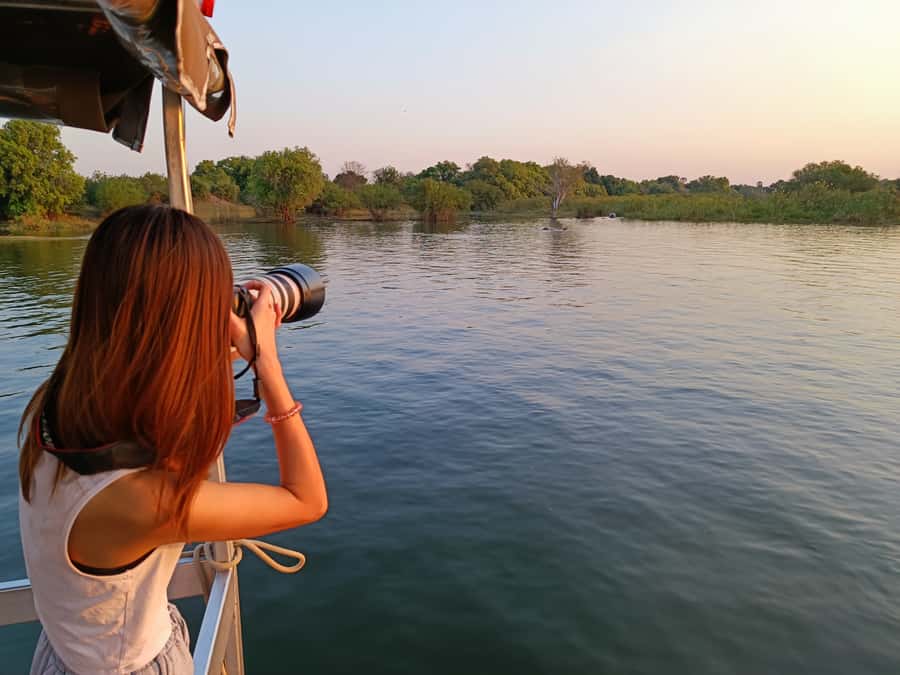
The Zambezi near Victoria Falls is not just one broad strip of water. It breaks into smaller channels, islands, sandbanks and rocky edges. That variety gives birds different places to feed, nest and hide.
From the boat, you can scan open water for ducks and geese, muddy edges for waders, branches for kingfishers and the sky for raptors. The changing view keeps the outing active. You are not sitting at one land-based lookout hoping a bird flies past.
The river also gives you a useful advantage: many birds are accustomed to seeing boats at a distance, and the low position on the water can bring you close to the shoreline. Your guide and captain can watch both sides of the boat, which matters when a small bird appears for only a few seconds.
This is especially appealing if you have already visited Victoria Falls and want a quieter side of the area. The falls are loud and dramatic. The Zambezi above the falls offers a slower outing, with more time spent listening, scanning and waiting.
A few more Victoria Falls trips to weigh up
- Chobe Full Day Safari Trip
★ 4.5 · 80 reviews - Unique Safari Game Drives in Zambezi National Park, 4 Options
★ 5.0 · 39 reviews - Chobe National Park Full Day Safari (Botswana)
★ 4.5 · 39 reviews
How the two to three hours usually unfold
Hotel pickup is included, but agree on the pickup point with your guide in advance. Transport is one less item to arrange, and it helps if you are staying in Victoria Falls and want a short activity that fits around other plans.
Once on the river, the focus is flexible rather than built around a fixed list of stops. A private outing can adjust to the day’s conditions and to the birds you most want to find. Tell the guide if African Finfoot, African Skimmer, Rock Pratincole or kingfishers are high on your list.
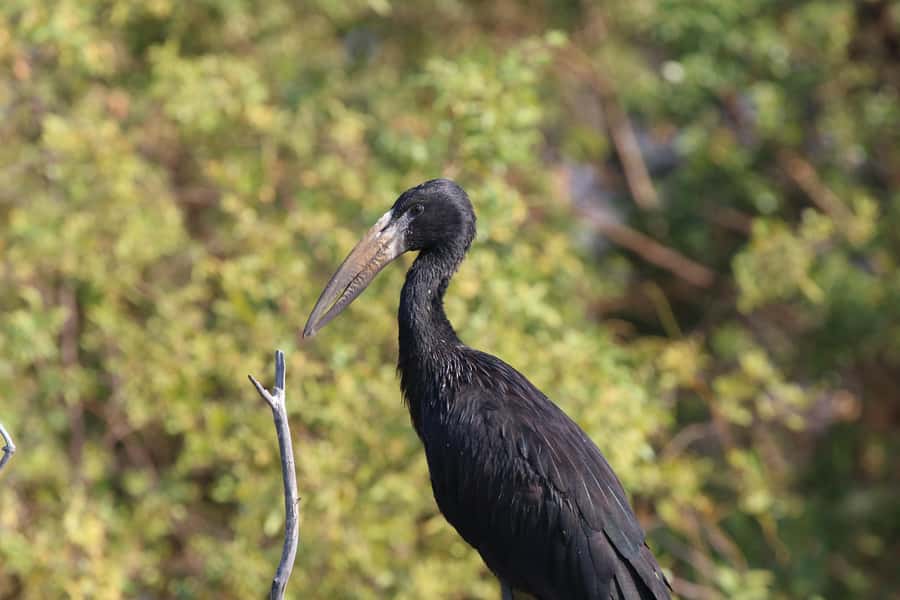
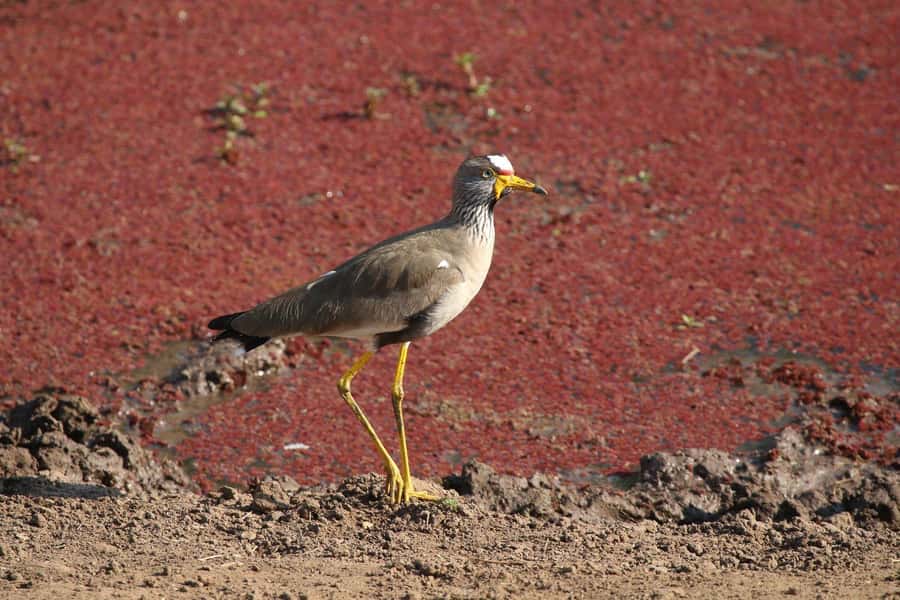
The first part usually centers on the river edges and islands. This is where you might find White-faced Whistling-Duck, Egyptian Goose, Spur-Winged Goose, Water Thick-knee, Blacksmith Lapwing and African Openbill. These are useful birds for building a broad list, even if you have come mainly for one rare species.
The boat then works along quieter sections and overhanging branches. African Finfoot often keeps to this kind of cover, so patience helps. White-backed Night-Heron, Half-collared Kingfisher and Malachite Kingfisher may also turn up in the same type of habitat.
Sandbanks and rocks are another key part of the outing. Rock Pratincole and African Skimmer are seasonal visitors that nest on these exposed areas. Collared Pratincole and Black-winged Pratincole also pass through from Europe during the southern African winter. If your timing is right, these can be among the most rewarding sightings of the morning or afternoon.
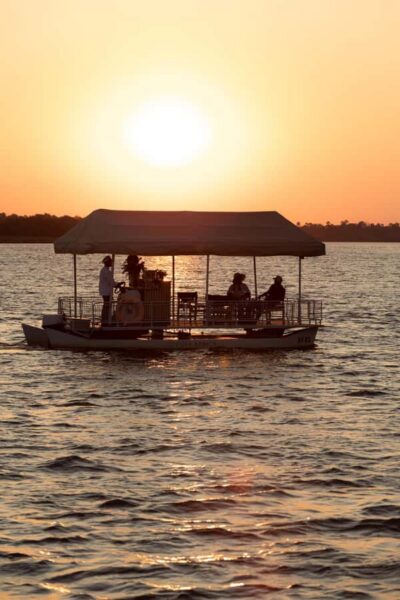
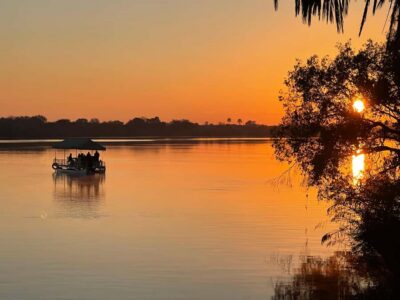
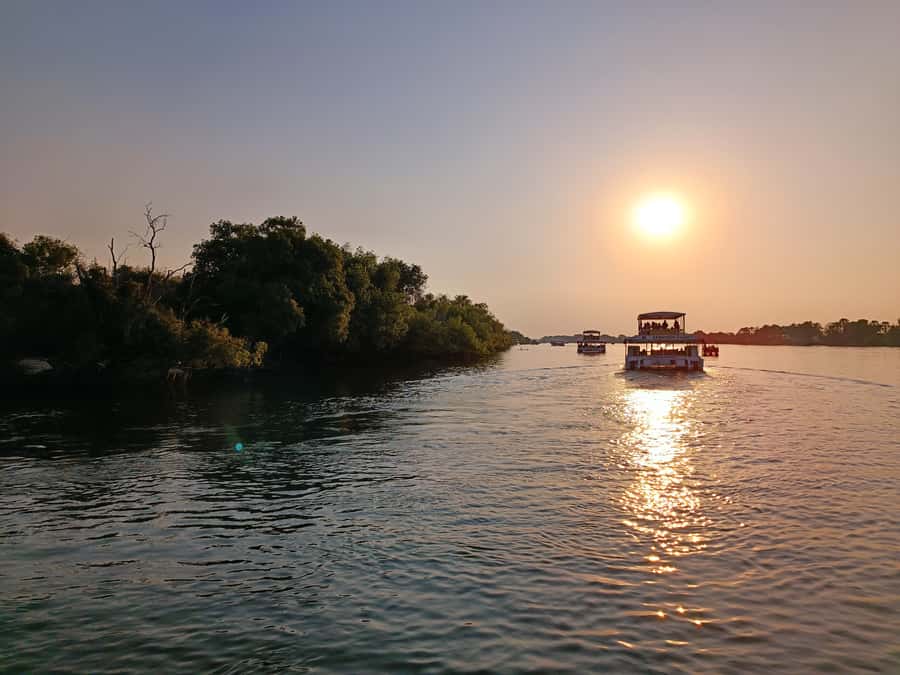
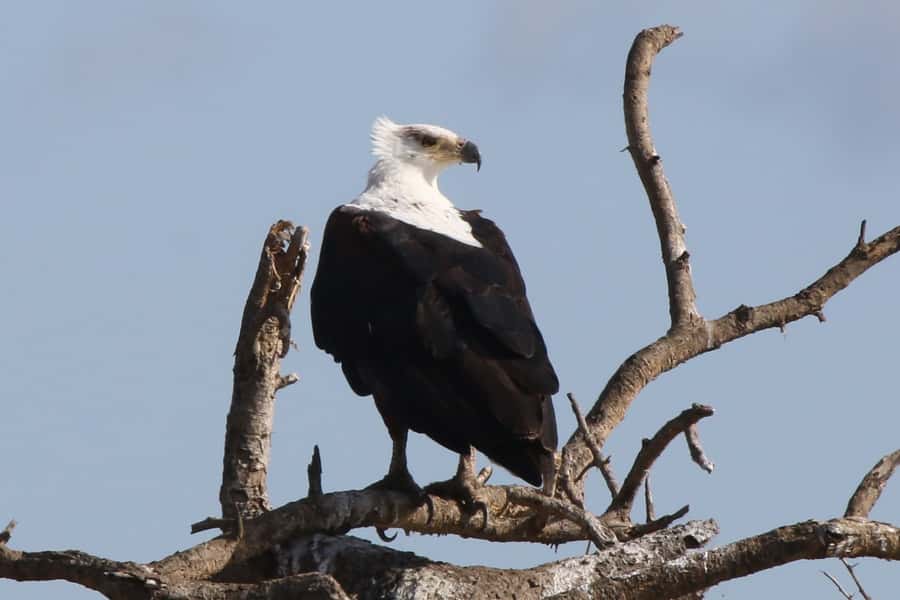
The final portion may offer wider views across the river. Look up for African Fish-Eagles, Osprey, Banded Snake-Eagle, Dickinson’s Kestrel and, at dawn, possibly Bat Hawk. The trip can also be timed for beautiful sunset views, though available start times should be checked before booking.
The full outing lasts two to three hours. That is long enough for a serious bird list without turning into an all-day commitment. It also leaves room in your schedule for Victoria Falls activities, though birders may wish the boat stayed out longer when conditions are especially good.
The bird list is broad, not just rare
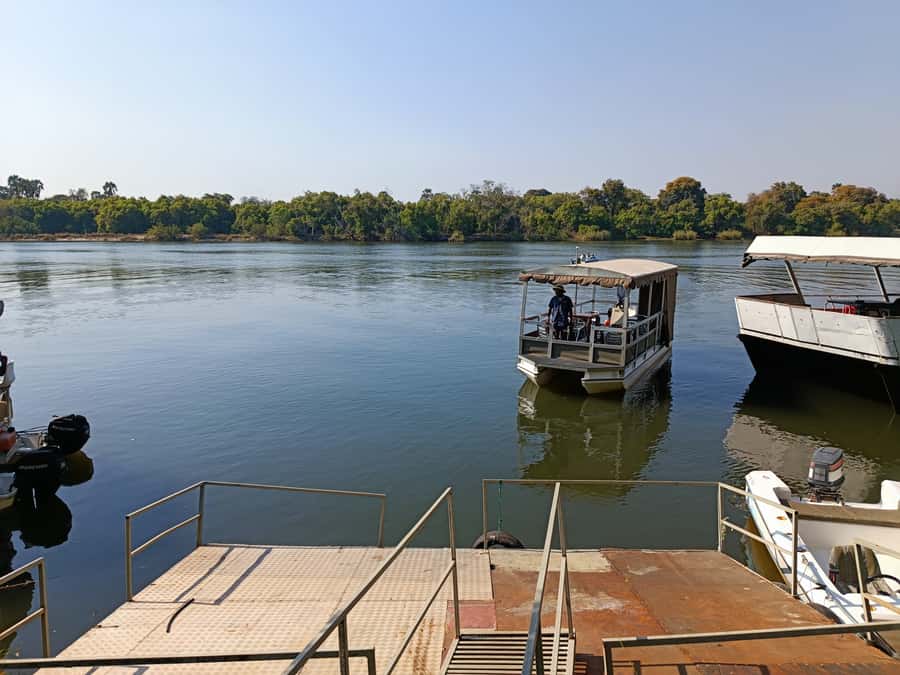
You do not need to be an expert to enjoy this trip. The common species provide plenty to see, and the guide can help you understand what makes each one worth noting.
Expect possible sightings of African Darter, Goliath Heron, Great Egret, Intermediate Egret, Little Egret, African Sacred Ibis, Hadada Ibis and Yellow-billed Stork. African Fish-Eagle and Pied Kingfisher add action above the water, while brightly colored kingfishers can reward careful watching near the banks.
One outing produced 38 species, including four kinds of kingfisher and an African Finfoot. Other outings recorded more than 30 species. Those numbers are not promises, but they show what a productive day can look like.
The small birds may give you the best photographs. Kingfishers and bee-eaters offer strong color against the muted riverbanks, though a long lens or steady binoculars will help. The boat’s slower pace is valuable here. You can ask the captain to hold position while the guide points out a bird or nest.
The Brown-necked Parrot, also called the Gray-headed Parrot, is another possibility. Pel’s Fishing-Owl is much more elusive and depends heavily on luck. It lives around the river islands, so keep expectations sensible. A good guide can help you search, but no one can order a rare owl into view.
African Finfoot and other special targets
African Finfoot is the species that gives this outing its special appeal. It is an unusual, secretive waterbird associated with river habitats, and the Zambezi is one of the better places to look for it.
The usual search area is not open water. Watch the shaded edges, especially where branches hang over the river. The bird can blend into the riverbank, so your guide’s spotting skill matters more than simply having a long bird list.
The trip has produced African Finfoot sightings, but you should treat it as a possibility rather than a guarantee. Weather, water conditions, season and the bird’s own habits all play a part. If you see one, it may be a quick glimpse rather than a long photo session.
African Skimmer and Rock Pratincole are also special targets. They depend on exposed sandbanks and rocks, and their presence changes with the season. Ask your guide what is being seen during your visit instead of assuming every species is available year-round.
The possible Pel’s Fishing-Owl makes the birding feel even more like a treasure hunt, but it is rare. A more realistic aim is to enjoy the full mix of birds and wildlife, with the unusual species as a bonus.
Same falls, a completely different kind of day:
- Helicopter Scenic Flight over Victoria Falls 12-13 minutes Flight
★ 5.0 · 1,391 reviews - Victoria Falls: Dinner Cruise on the Zambezi River
★ 4.9 · 925 reviews - Dinner Cruise on the Zambezi River
★ 5.0 · 518 reviews - Victoria Falls: Chobe National Park Day Trip with Lunch
★ 4.7 · 518 reviews
Hippos, crocodiles and mammals along the banks
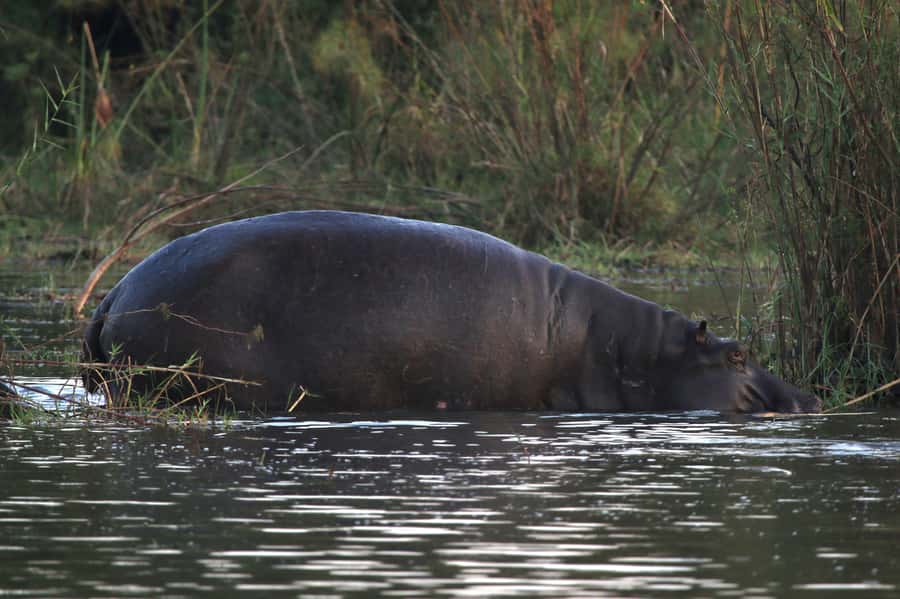
This is a birding trip, but you are not limited to feathers. The Zambezi supports healthy populations of hippos and crocodiles, and both are commonly seen from the boat.
Hippos can be surprisingly close. They may sit low in the water, leaving only their ears, eyes or backs visible. Your guide and captain will manage the boat’s position, but you should still follow instructions and avoid sudden movements near wildlife.
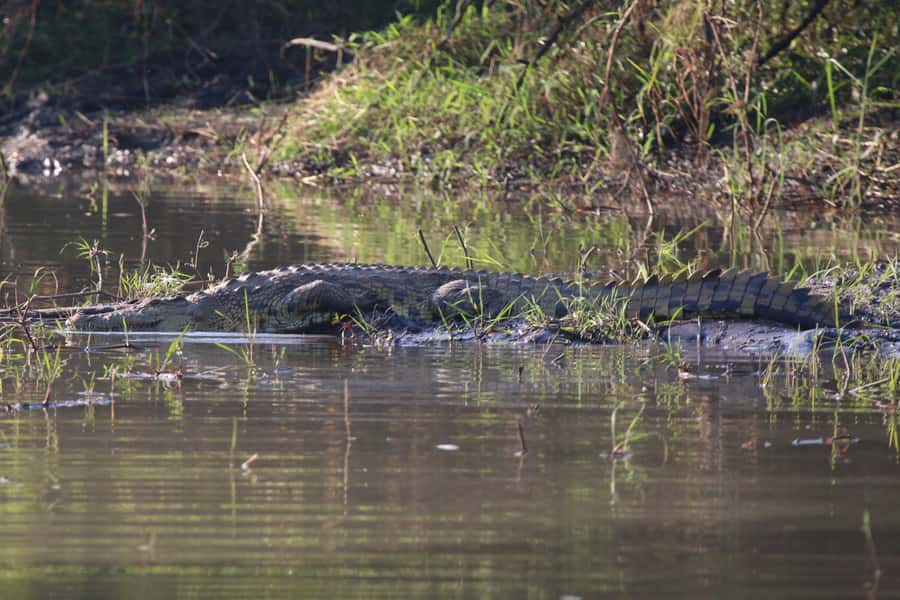
Crocodiles often lie along the banks or sandbanks. From the water, you can see how well they blend into the shoreline. Their stillness makes them easy to miss until the guide points one out.
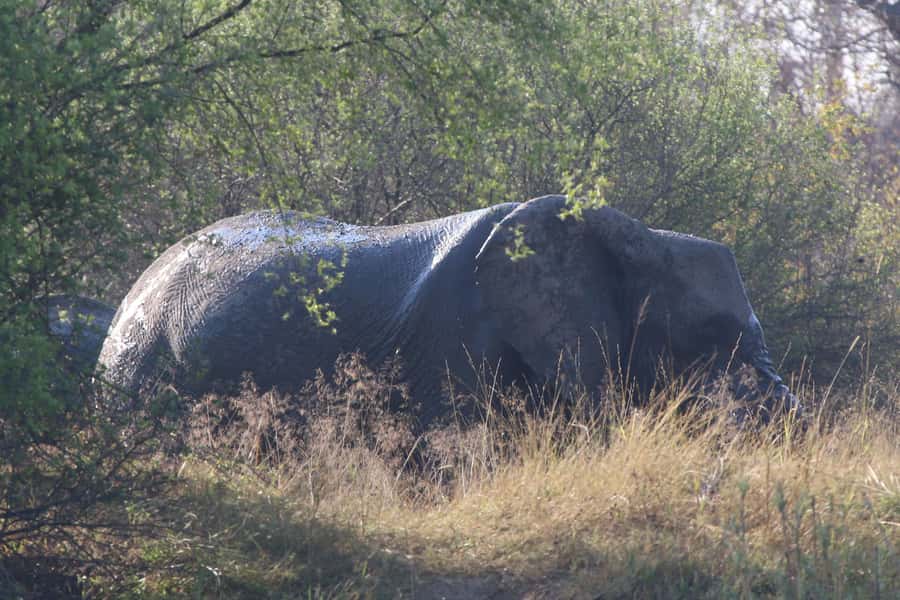
There is also a chance of seeing animals that come to drink. African bush elephants, Cape bushbucks, impalas and waterbucks are all possible. A monitor lizard has also been seen on the river, adding another good reason to scan the banks instead of watching only the sky.
These sightings give the boat ride wider appeal for couples or families with mixed interests. A serious birder can work on a species list while someone else watches hippos, crocodiles or larger mammals.
What the private boat changes
The private format is one of the strongest reasons to choose this activity. You are not tied to the pace of a large shared group, and the guide can focus on the birds you want to see.
That matters when the target is small or hidden. If someone spots a finfoot beneath branches, the boat can slow down and hold position. The same flexibility helps with photographs and with watching a kingfisher work along the bank.
The boat itself has been described as stable and wide, which is useful for birding. You need a steady platform when trying to follow a fast kingfisher or identify a distant raptor. Still, this is an open-water activity, so expect sun, wind and possible rain rather than a perfectly controlled viewing platform.
The private setup also works well for people at different skill levels. An experienced birder can request specific species. A beginner can ask basic questions without feeling rushed. English and Shona are offered, and the guides have been praised for explaining bird details clearly and for spotting well.
Names associated with especially good outings include Kennedy, Mongi, Kenneth, Itela, Ireland and Clement. Clement has also served as a strong spotter and driver on some trips. Guide assignments can change, so book based on the activity rather than expecting one particular person.
Food, equipment and clothing
Food and drinks are not included in the standard activity, so eat before pickup. This is easy to overlook when you are concentrating on an early start or fitting the cruise between other plans.
One outing included coffee, water, a muffin and fruit, but you should not assume refreshments are part of every booking. Ask before setting out if this matters to you.
Bring binoculars if you own a pair. If not, tell the operator in advance so they can try to arrange one pair for you. Sharing a single pair is better than having none, but dedicated birders will be more comfortable with their own optics.
Wear long clothing to reduce mosquito exposure. Add sunscreen, a brimmed hat and comfortable shoes. The trip operates in rain or shine, so a light rain layer is sensible when the forecast looks uncertain.
A camera can be useful, but do not let it take over. Small birds may be distant or partly hidden, and a good sighting through binoculars can be more satisfying than a poor photograph. Your guide can help you decide when it is worth waiting.
Is $80 a fair price?
The cost is $80 per person. That includes hotel pickup and drop-off, an expert birding guide and a private boat for two to three hours. A national park entrance fee is extra, paid in cash at $10 for foreign visitors or $5 for locals.
For a single visitor, the price is not the cheapest way to spend a morning. For two or more people sharing a private boat, the value improves because you get dedicated attention and a slower pace. Serious birders may find the cost easier to justify because the trip is designed around habitat and species that are difficult to find on a general wildlife cruise.
The strongest value comes from flexibility. You are not paying only for transport on the river. You are paying for a guide who can identify calls, check shaded branches, scan islands and help you make the most of a short window.
The value is weaker if you want guaranteed rare birds or a long wildlife safari. No boat trip can promise African Finfoot, Pel’s Fishing-Owl or African Skimmer, and the two to three hour duration limits how far the search can go.
Who should book this Zambezi outing?
I would choose this trip if birds are a major reason for your visit to Victoria Falls. It is especially well suited to anyone hoping for African Finfoot, kingfishers, pratincoles or river-based raptors.
It also works for wildlife enthusiasts who want a quieter boat trip with hippos and crocodiles. You do not need a specialist bird list to enjoy the outing, since larger wildlife and the river scenery add plenty of interest.
Families and mixed-interest groups may appreciate the private format. A child or non-birder can watch mammals while the guide helps another person identify birds. The short duration is easier to fit into a busy Victoria Falls schedule than a full-day safari.
I would be more cautious if you dislike uncertain conditions, mosquitoes or slow observation. Rain may reduce bird activity, and a rare species may stay hidden. This is a patient search, not a fast succession of guaranteed sightings.
Booking and cancellation details
Hotel pickup is included, but agree on the exact pickup location with the guide, usually your hotel. Check available starting times because the activity runs for two to three hours and may be arranged around conditions and your schedule.
You can reserve now and pay later, which helps if your Victoria Falls plans are still changing. Cancellation is free up to 24 hours in advance for a full refund.
FAQ
How long does the birdwatching safari last?
The boat trip lasts approximately two to three hours. Check availability for the starting times offered during your visit.
What languages does the guide speak?
The live guide service is available in English and Shona.
Is hotel pickup included?
Yes. Hotel pickup and drop-off are included, but you should agree on the pickup location with your guide in advance.
How much is the national park entrance fee?
The fee is paid in cash and costs $10 for foreign visitors or $5 for locals. It is not included in the tour price.
Is food included?
Food and drinks are not included in the activity. Eat before you start. One outing included coffee, water, a muffin and fruit, but refreshments should not be assumed unless confirmed.
What should I bring?
Bring binoculars if you have them, along with long clothing, sunscreen, mosquito repellent, a brimmed hat and comfortable shoes. The activity operates in rain or shine. If you need binoculars, tell the operator in advance so they can try to arrange one pair.
Should you book it?
Book this Zambezi birding safari if you want a private, slow-paced search rather than a standard sightseeing cruise. The mix of more than 30 possible bird species, hippos, crocodiles and river scenery gives you plenty to enjoy even when the African Finfoot stays out of sight.
At $80 per person, plus the park fee, it makes the most sense for birders and small groups who will use the guide’s attention. Go prepared for changing weather and mosquitoes, bring optics if possible, and tell the guide your target species. With sensible expectations, this is one of the better short wildlife outings around Victoria Falls.
Just added around Victoria Falls
- Zambezi National Park Private Wildlife Safari (4 – 10 hours)★ 4.9 · 9 reviews
- Victoria Falls: Whitewater Rafting Experience★ 4.5 · 4 reviews
- Zambezi 3hr Game Drive★ 4.6 · 5 reviews
- Zambezi River: Kid-Friendly Whitewater Rafting★ 5.0 · 3 reviews
- Victoria Falls: Zambezi National Park Game Drive★ 3.9 · 8 reviews
- Victoria Falls: Zambezi River White Water Rafting Experience★ 5.0 · 7 reviews
- Victoria Falls: Vulture Safari and Bush Walk★ 5.0 · 5 reviews
- Victoria Falls: Village Tour with Traditional Food Tasting★ 4.0 · 3 reviews