

Reviewed · VICTORIA FALLS VILLAGE TOURS
Livingstone: Amazing Traditional Village Tour
Muke village gives you a close look at Lozi village life only about 20 minutes from Livingstone. You will walk through the community, learn how traditional buildings are made, see how local alcohol is produced, and visit Tusoleke Trust School with guide Alex Jakanani, the school’s founder.
I like that the tour sends its profits to the school, and I like the direct contact with local people rather than a distant view from a vehicle. The school visit can include children singing and dancing, which adds a lively human touch.
The main thing to plan for is the heat and lack of included drinking water. Bring enough water for the full 3.5 hours, along with sunscreen and insect repellent. Also remember that this is a community visit, not a polished museum display.
Key points about the Muke village visit
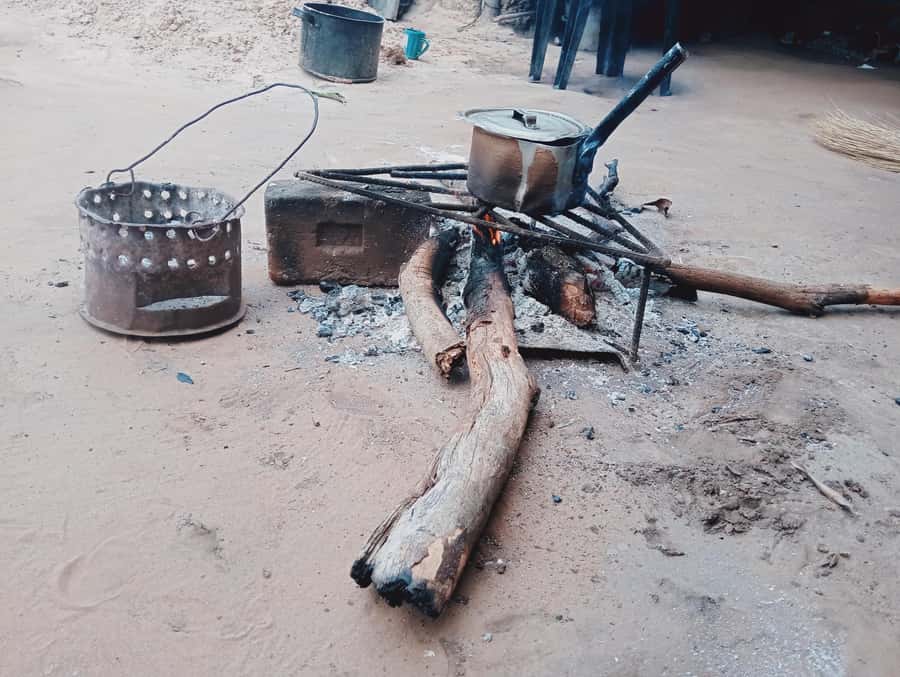
- A 20-minute trip from Livingstone: You spend less time getting there and more time in the village.
- Alex Jakanani leads the tour: He is the vice-chair of the Simonga World Development Committee and founder of Tusoleke Trust School.
- Your $50 supports the school: Tour profits go directly to Tusoleke Trust School.
- A working village, not a staged show: You see local buildings, daily life, and the process used to make local alcohol.
- School visit included: You can meet the school community and may see children sing and dance.
- Private 3.5-hour outing: Transport, a local guide, coffee, and tea are included, but water is not.
What makes Muke village different
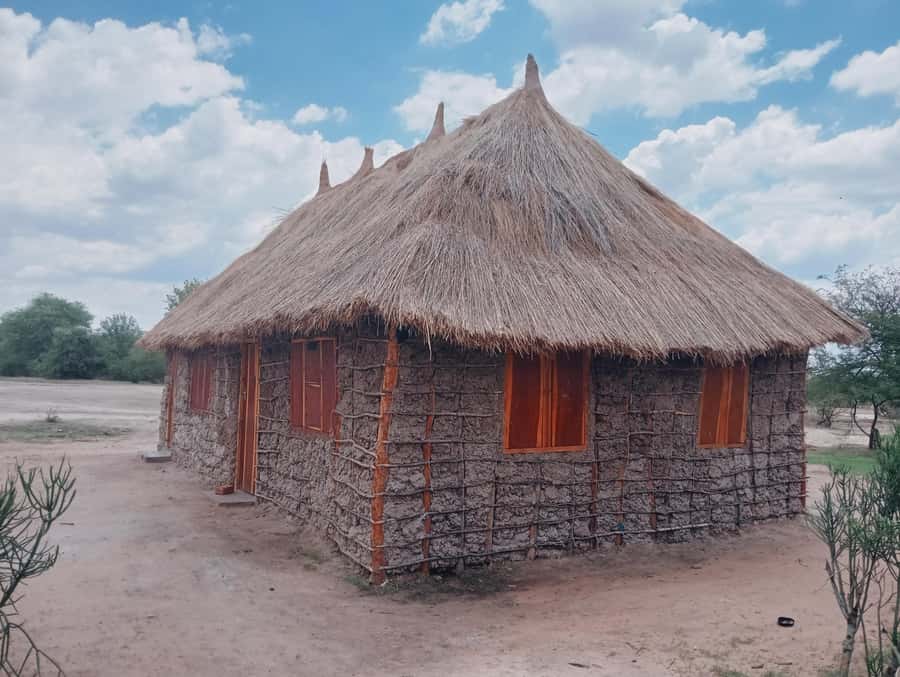
Many activities around Livingstone focus on major sights and big natural drama. This one takes a quieter route. Muke is a traditional Lozi village, and the point is to spend time learning how the community works.
You are not simply shown a row of buildings and sent on your way. The visit covers how local structures are built, how people make their own alcohol, and what everyday life looks like. Those details matter because they turn a village walk into a lesson in practical life, not just a quick photo stop.
The setting also gives the tour a useful local connection. The village is tied to Tusoleke Trust School, and the money from these visits goes toward helping the school. That gives your fee a clear purpose. You are paying for transport, guiding, and refreshments, but you are also helping support a community project.
I would approach the visit with respect and curiosity. A traditional village is a home, school, and working community. Ask before taking photographs, listen when people explain their routines, and treat interaction with children as part of a school and community setting rather than as a performance arranged for visitors.
More victoria falls village tours in Victoria Falls:
- From Victoria Falls: Zimbabwe Traditional Village Tour
★ 4.5 · 57 reviews - Horse Riding Community Village Tour Experience
★ 5.0 · 13 reviews - Victoria Falls Cultural Private Village Tour
★ 4.0 · 9 reviews
The short ride from Livingstone
Pickup is included from your hotel or hostel in Livingstone. You should wait in the lobby 10 minutes before the scheduled time. The journey to Muke takes about 20 minutes, so this tour is easy to fit into a morning or afternoon without giving up a full day.
The short transfer is one of the practical strengths here. You do not need to arrange a taxi or work out the route yourself, and the private-group format gives the outing a more personal feel. Since the listed location refers to the Zambezi River area in Zimbabwe while the pickup point is Livingstone, confirm the exact meeting and route details when booking if the border area matters to your plans.
The tour lasts 3.5 hours. That is enough time for a village walk, school visit, explanations, and refreshments without turning the outing into an exhausting full-day commitment. Starting times depend on availability, so check the schedule before you build the rest of your day around it.
Walking through a traditional Lozi community

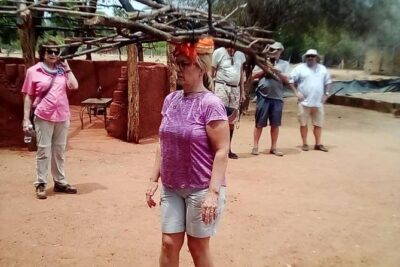
The village walk is the core of the experience. Your guide introduces you to Muke and explains what you are seeing as you move through the community. You will learn about village life and have a chance to meet local residents.
This is where Alex Jakanani’s role matters. As founder of Tusoleke Trust School and vice-chair of the Simonga World Development Committee, he is connected to both education and local development. The tour is not simply a general sightseeing route. It is presented through someone involved in the community.
You will also learn some Lozi words. That small language lesson can change the tone of an encounter. Even a few greetings or simple terms show that you are making an effort to meet people on their own terms rather than expecting the village to adapt entirely to you.
The interaction is described as friendly and informal. You may have time to talk with residents and interact with children. Keep in mind that the amount of conversation will depend on the day, the school schedule, and the people available in the village. The activity promises access and contact, but not a fixed script for every exchange.
Seeing how local buildings are made
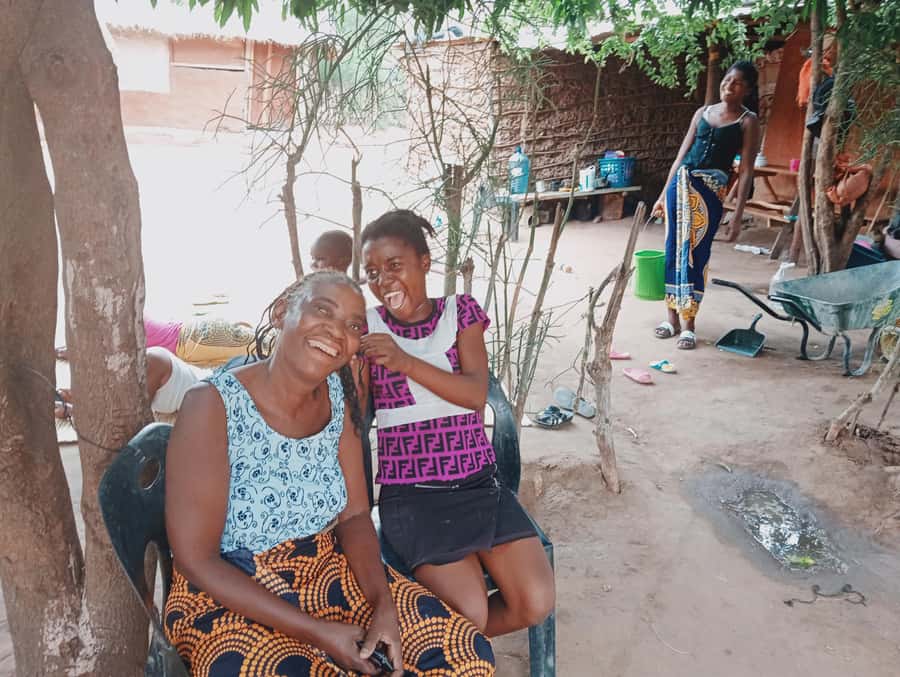
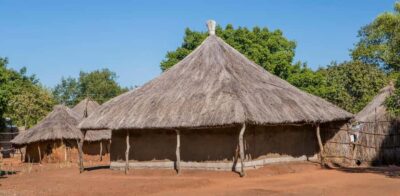
One of the more useful parts of the walk is the explanation of traditional building methods. You will see the buildings in their actual setting and learn from Alex about how they are constructed.
This is a good detail for anyone who wants more than a general statement about village life. Building methods show how people use local materials, organize work, and shape homes and community spaces around available resources. The information provided does not specify the exact materials or the names of each building type, so expect an explanation on site rather than a formal architectural lesson.
The benefit is that you can connect the structure in front of you with the process behind it. Instead of seeing a building as scenery, you learn how it came into being and why it looks the way it does.
The tradeoff is simple: conditions are likely to be basic. This is a working village, not a visitor center with displays, signs, or air-conditioned rooms. Wear practical clothes and shoes suitable for walking outdoors, and bring rain gear if the forecast calls for it.
Same falls, a completely different kind of day:
- Helicopter Scenic Flight over Victoria Falls 12-13 minutes Flight
★ 5.0 · 1,391 reviews - Victoria Falls: Dinner Cruise on the Zambezi River
★ 4.9 · 925 reviews - Dinner Cruise on the Zambezi River
★ 5.0 · 518 reviews - Victoria Falls: Chobe National Park Day Trip with Lunch
★ 4.7 · 518 reviews
Learning how local alcohol is made
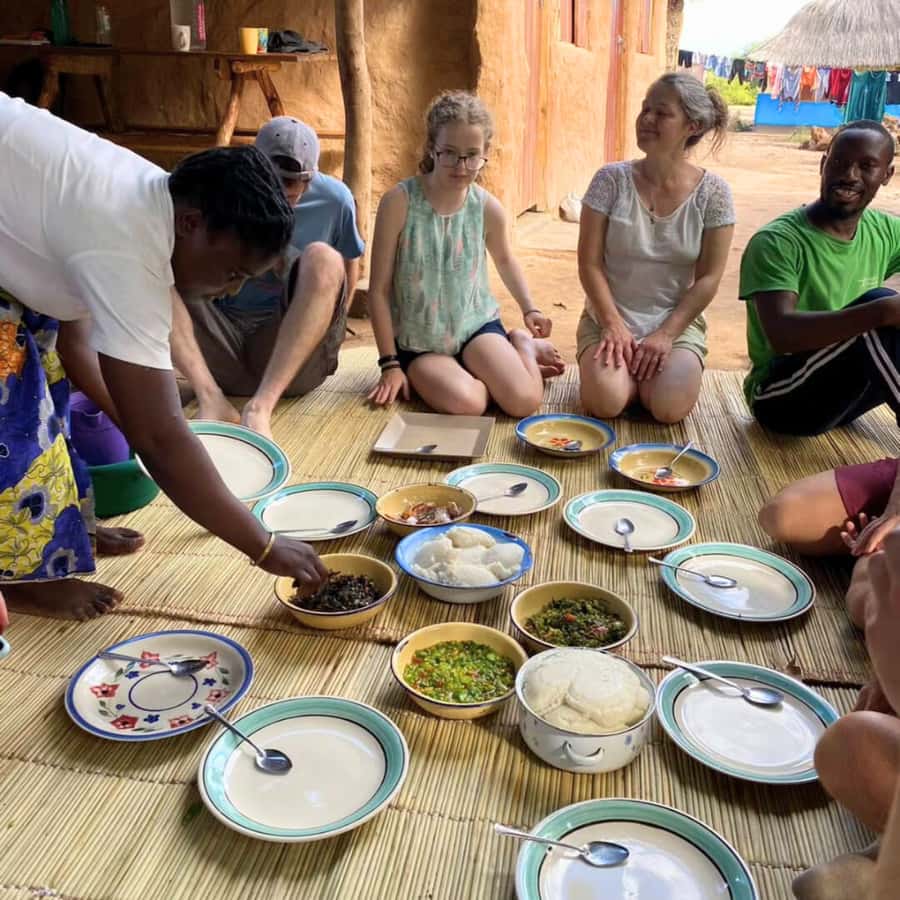
The tour also explains how local alcohol is produced. This gives you a look at a household or community practice that is often left out of standard sightseeing tours.
You will learn about the process rather than simply being handed a drink. The activity information does not say that alcohol tasting is included, so do not assume you will sample it. The focus is on understanding how it is made.
For many people, this will be one of the most memorable parts because it connects food, drink, work, and local custom. It also gives you a chance to ask questions about when the drink is made and how it fits into village life.
If you do not drink alcohol, the stop should still be worthwhile. You can treat it as a practical demonstration and cultural explanation. The tour also includes coffee and tea, giving you a nonalcoholic refreshment during the visit.
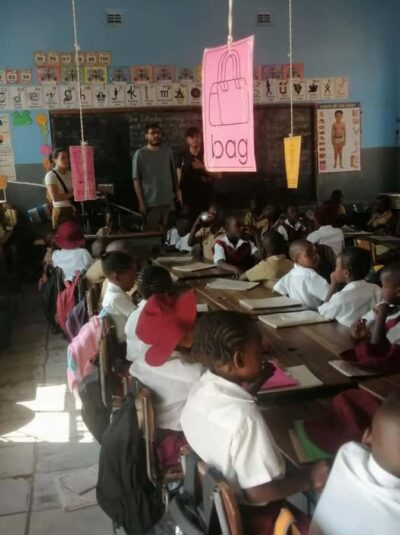
Visiting Tusoleke Trust School
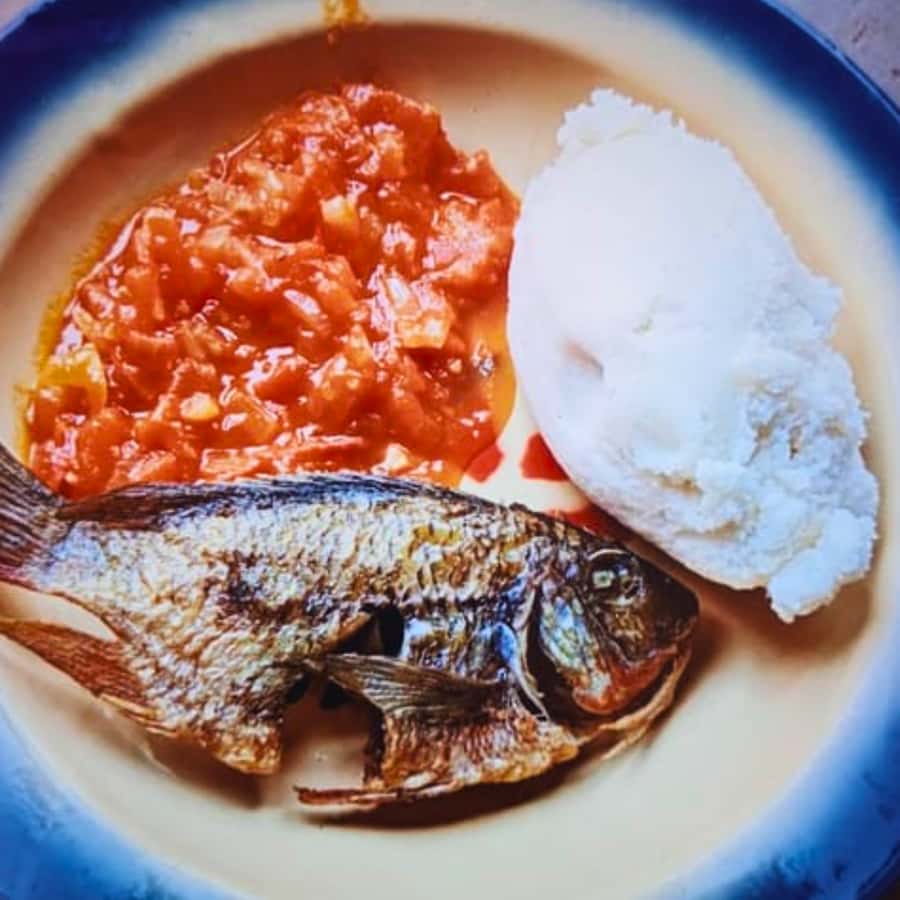
The school visit gives the tour its clearest community purpose. Tusoleke Trust School is connected directly to the activity, and the profits from village tours go toward helping it.
You will be able to visit the school and see part of the school community. A school visit can feel more personal than a standard attraction, but it also calls for good manners. Follow Alex’s guidance, ask before taking photographs, and remember that classes and school routines come first.
The experience may include children singing and dancing. This can be a joyful part of the visit, especially for families and anyone interested in local education. At the same time, you should not expect a stage show with a fixed performance schedule. What happens depends on the school and the day of your visit.
I especially like the direct connection between the activity and the school. You can see where some of the money goes, rather than being asked to trust an abstract promise. The school visit also adds context to the village walk by showing how local children learn and how the community supports education.
Coffee, tea, and time to talk
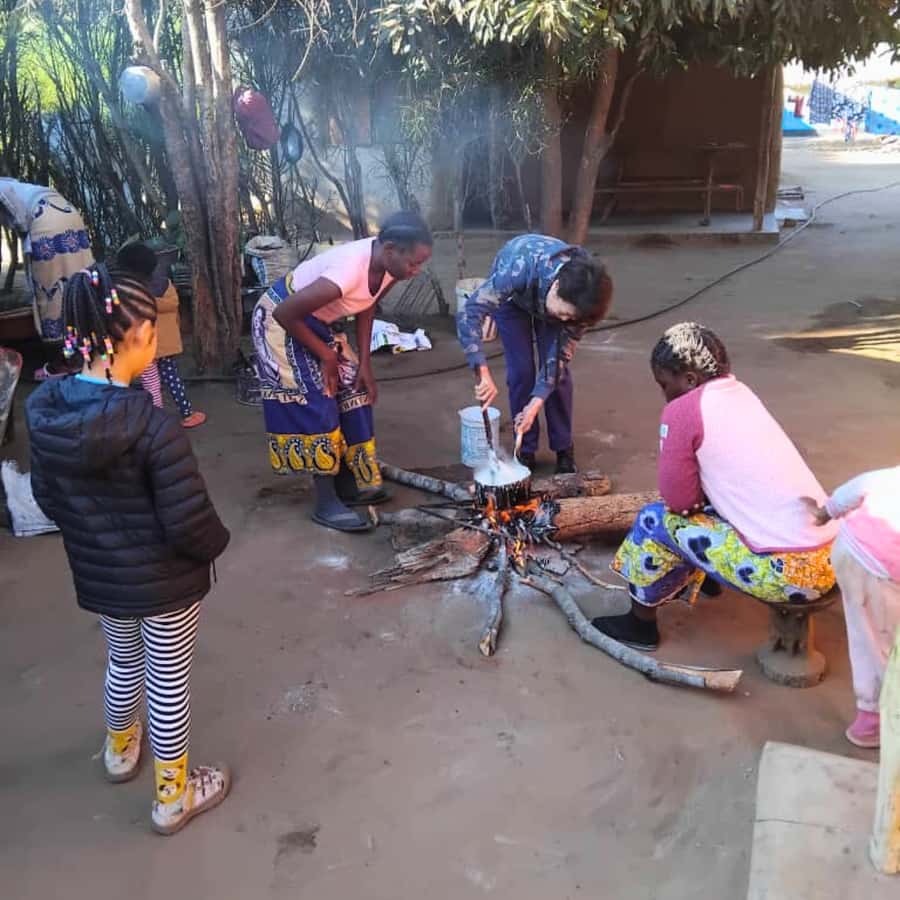
Coffee and tea are included. This is a small feature, but it gives the tour a natural pause. You can sit, talk, and process what you have seen instead of rushing from one explanation to the next.
The refreshments are also a chance to continue conversations with your guide or local residents. Since the tour is private, the pace may feel less hurried than on a large group outing. You can ask for clarification about Lozi words, buildings, village customs, or the school.
Water is not included. This is the most important packing point. Bring enough for the entire trip, not just a small bottle for the drive. Add sunscreen, biodegradable insect repellent, and rain gear. The provided advice specifically calls for all four items, and the outdoor setting makes each one sensible.
Is $50 a fair price?
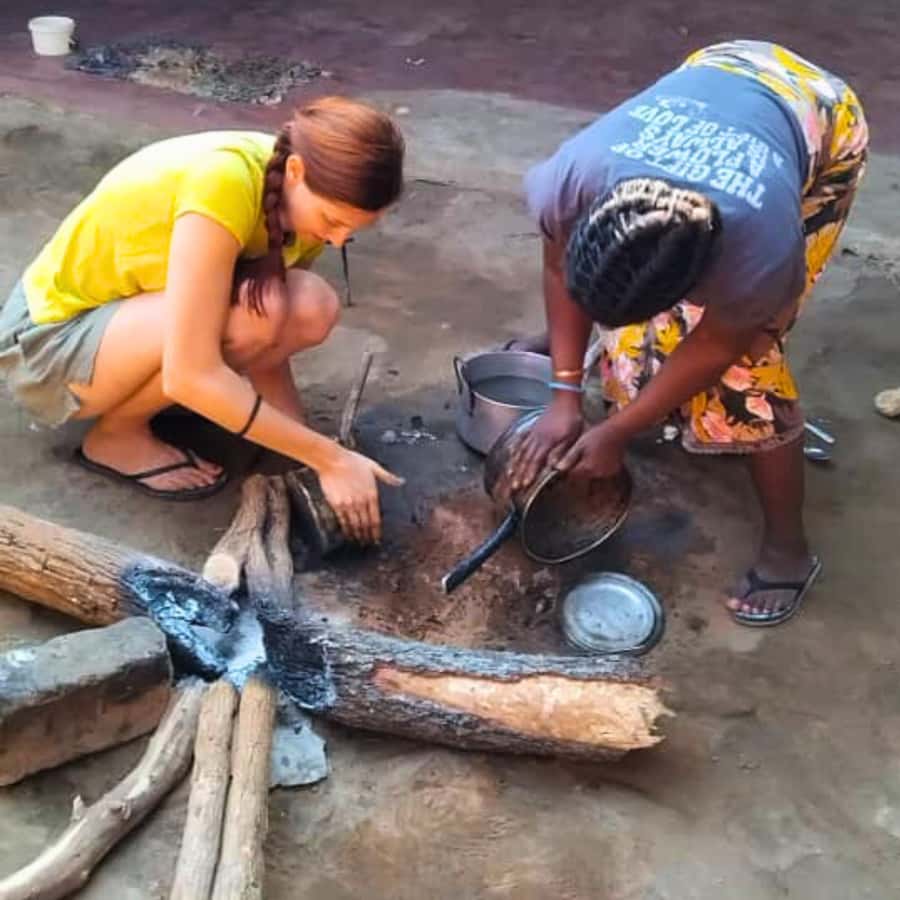
The cost is $50 per person. I see reasonable value here if you want a private, community-focused outing with transport from Livingstone and a clear contribution to a local school.
The price covers transportation to and from Livingstone, a local English-speaking guide, the village walk, the school visit, lessons about local buildings and alcohol making, Lozi words, coffee, and tea. It is not just a transfer and a short introduction. You receive several parts in one 3.5-hour experience.
The strongest value comes from the combination of access and purpose. You get to see a village through a local guide, and the profits support Tusoleke Trust School. That makes the fee easier to justify than a tour that offers only a quick photo stop.
Still, value depends on what you want. If your main goal is wildlife, scenery, or a major landmark, this is not the right use of $50. If you prefer a large scheduled program with many attractions packed into one outing, the slower community format may feel too modest.
The private-group setup is useful for couples, families, and small groups who want to ask questions. It also means the experience may be more expensive per person than a large shared tour, though the listed price gives you a direct community visit and included transport.
Who will enjoy this tour most?
I would choose this outing if you want to understand local life near Livingstone and prefer meeting people to ticking off another attraction. It suits visitors who enjoy guided walks, school and community projects, and practical cultural details.
Families may appreciate the school visit and the chance to interact with children, though adults should help younger children behave respectfully. Students and educators may also find the school connection especially meaningful.
This tour is less suitable if you need a highly polished attraction, dislike outdoor heat, or want a predictable performance. It is also not ideal if you forget water. The activity is only 3.5 hours, but that is long enough to become uncomfortable without proper sun protection and hydration.
The perfect mindset is flexible. You are going to a living community, where the rhythm of the village and school shapes the visit. That is precisely what makes the experience personal, but it also means not every moment will be tightly timed.
Booking details that matter
The tour is conducted in English, with a live guide and a private group. Pickup is included, and you should be in your hotel or hostel lobby 10 minutes before departure.
You can reserve now and pay later, which helps if your Livingstone plans are still changing. Free cancellation is available up to 24 hours before the activity for a full refund.
The experience has a reported rating of 4.7 out of 5 from four verified bookings. The strongest praise centers on understanding village life, meeting kind and approachable people, enjoying the children’s interaction, and learning from a friendly guide. Those are exactly the parts to value most when deciding if this outing fits your interests.
Should you book the Muke village tour?
Book it if you want a direct, small-group look at Lozi village life and like the idea of supporting Tusoleke Trust School at the same time. The short drive from Livingstone, local guide, school visit, building explanations, and alcohol-making lesson give the 3.5-hour outing a clear focus.
Skip it if you are looking for dramatic scenery, wildlife, or a major landmark. Also skip it if you will not bring water and sun protection. For the right person, this is a useful and human-scale addition to a Livingstone trip, with enough practical detail to make the $50 feel purposeful.
FAQ
Where is the traditional village tour located?
The tour visits Muke village, described as a traditional Lozi village about 20 minutes from Livingstone. The listed location is the Zambezi River area in Zimbabwe.
How long does the tour last?
The tour lasts 3.5 hours.
How much does the tour cost?
The price is $50 per person.
Is transportation from Livingstone included?
Yes. Transportation to and from Livingstone is included, with pickup from your hotel or hostel.
Who guides the tour?
Alex Jakanani guides the tour. He is the vice-chair of the Simonga World Development Committee and the founder of Tusoleke Trust School.
What language is the tour conducted in?
The live tour guide speaks English. The experience also includes an opportunity to learn Lozi words.
Is water included?
No. You need to bring enough water for the entire trip.
What should you bring?
Bring sunscreen, water, rain gear, and biodegradable insect repellent.
Can I cancel or pay later?
You can cancel up to 24 hours in advance for a full refund. You can also reserve your place and pay later.
Just added around Victoria Falls
- Zambezi National Park Private Wildlife Safari (4 – 10 hours)★ 4.9 · 9 reviews
- Victoria Falls: Whitewater Rafting Experience★ 4.5 · 4 reviews
- Zambezi 3hr Game Drive★ 4.6 · 5 reviews
- Zambezi River: Kid-Friendly Whitewater Rafting★ 5.0 · 3 reviews
- Victoria Falls: Zambezi National Park Game Drive★ 3.9 · 8 reviews
- Victoria Falls: Zambezi River White Water Rafting Experience★ 5.0 · 7 reviews
- Victoria Falls: Vulture Safari and Bush Walk★ 5.0 · 5 reviews
- Victoria Falls: Village Tour with Traditional Food Tasting★ 4.0 · 3 reviews
Victoria Falls Village Tours, compared.



Browse the lists this tour appears in