Reviewed · 1-DAY TOURS
Matobo Hills Day Trip with Rhino Tracking
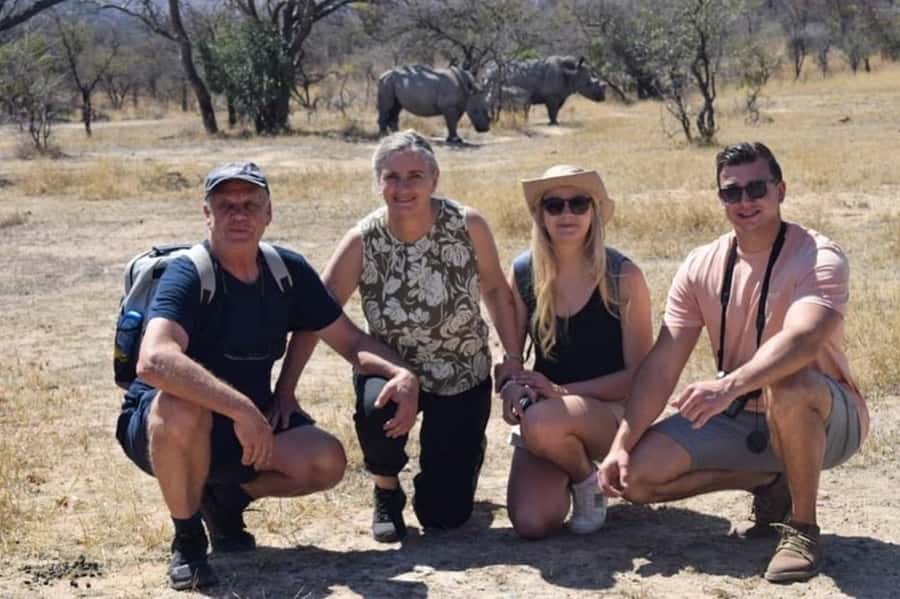
A young white rhino can come within a few steps of you in the Matobo Hills. That is the thrilling heart of this day trip, but it is only part of the story. You also walk to ancient Bushmen rock paintings and hear how the area’s wildlife, people, and sacred places are tied together.
I like the mix of a real walking safari and major historical sites. I also like that guide Blessing brings strong field experience, including past work as a rhino ranger, and explains animal behavior in a calm, clear way. The main drawback is the long eight-hour day, with lunch sometimes arriving late after a busy morning on foot.
Key points to know before booking
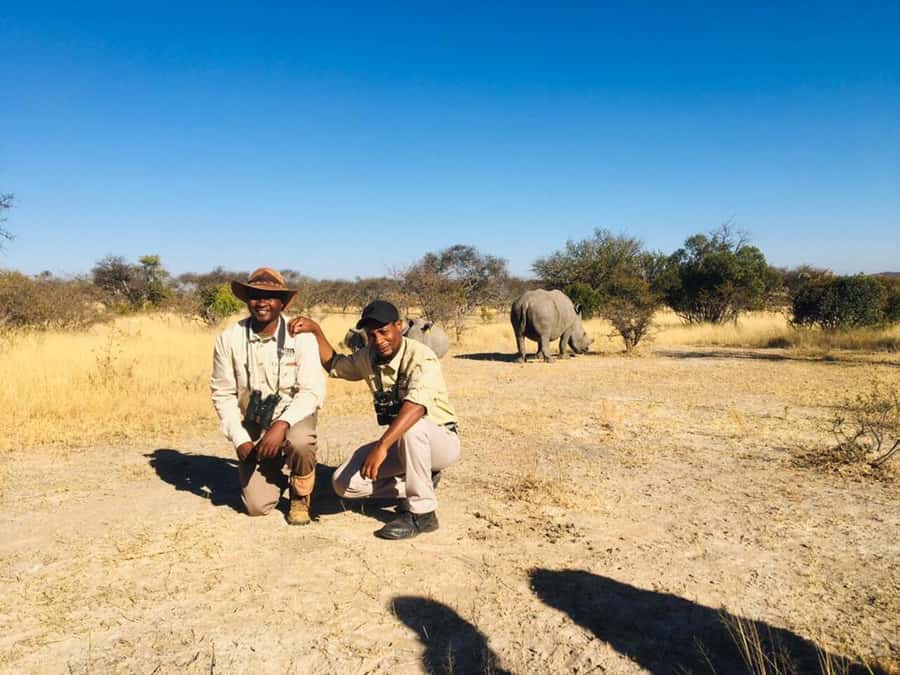
- Rhino tracking on foot: You may approach white rhinos surprisingly closely, always under strict instructions from your guide.
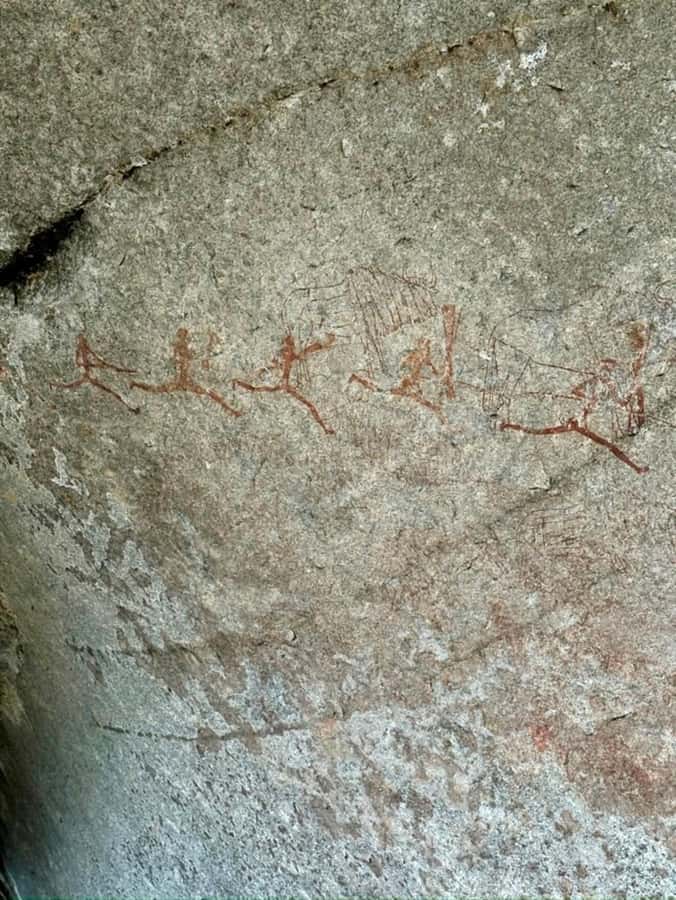
- Ancient rock art: A roughly 500-meter walk brings you to Bushmen paintings and an explanation of their place in Matobo’s story.
- World’s View and Rhodes’ grave: Enjoy wide hill views and visit Cecil Rhodes’ burial site at one of the area’s best-known viewpoints.
- More than a game drive: The day combines walking, scenic driving, wildlife spotting, history, sacred sites, and local food.
- Open safari truck pickup: You are collected in Bulawayo and travel in a white open safari truck, with water and drinks supplied.
- Prepare for the outdoors: Wear closed-toe walking shoes, sun protection, insect repellent, and clothing in muted colors.
Why Matobo Hills makes such a strong day trip
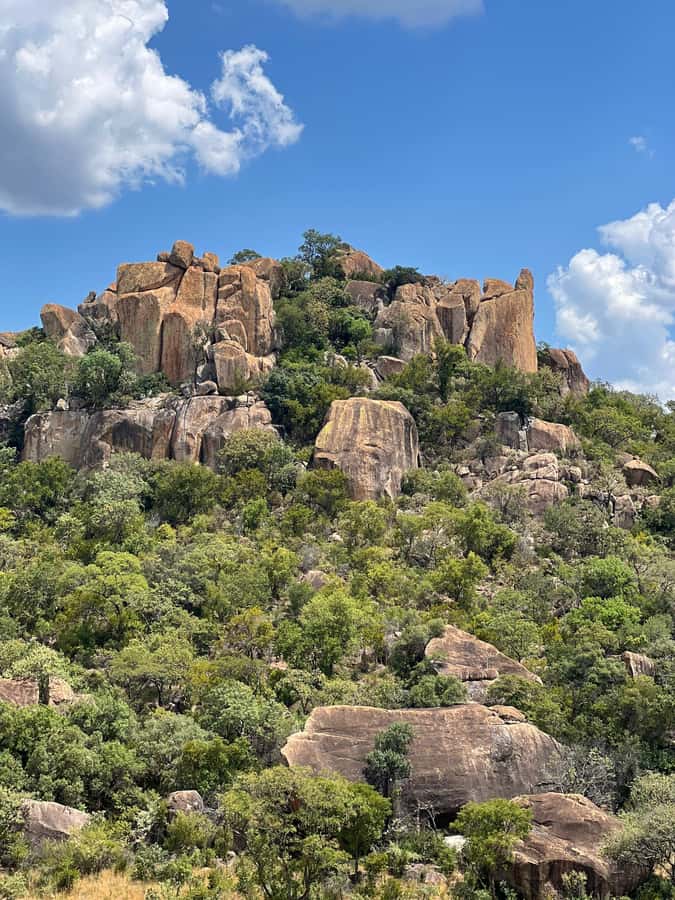
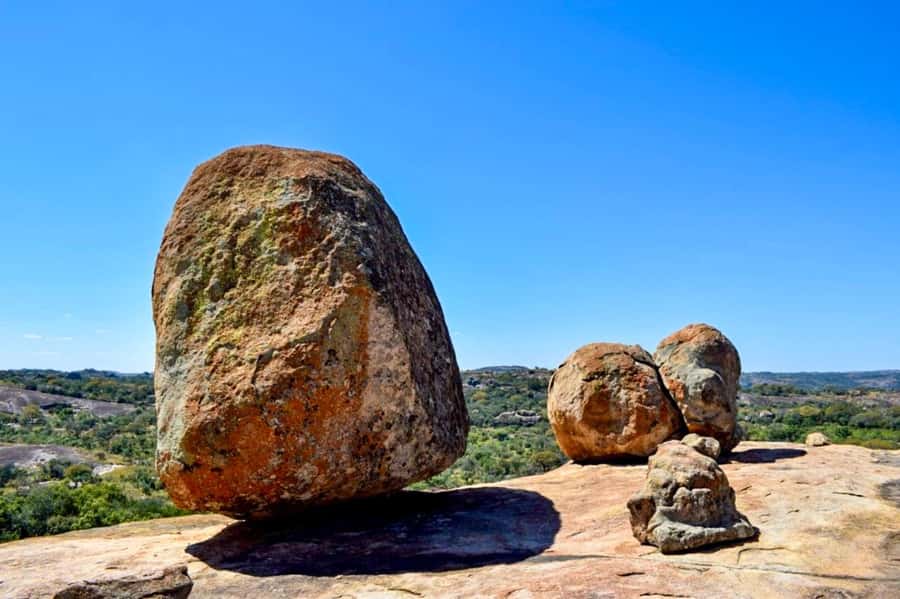
Matobo Hills is not a standard wildlife park where you simply sit in a vehicle and wait for animals. Rounded granite hills, giant balancing rocks, caves, painted shelters, and old sacred places give the area a powerful sense of place. The rock formations seem almost arranged by hand, though they are the work of weather and time.
The hills are also a UNESCO World Heritage Site, and that status makes sense once you see how much is packed into one area. You get wildlife, archaeology, local history, and striking views without spending several days moving between separate parks.
I like this trip because it gives you a proper introduction to Matobo in one day from Bulawayo. You are not limited to one theme. One hour may focus on rhino behavior, the next on Ndebele kings, European settlement, or the meaning of a painted rock shelter.
The day lasts eight hours, with about seven hours devoted to Matobo National Park activities. That is enough time to see several important sites, but not enough to explore every corner of the hills. Think of it as a well-packed first visit rather than a slow, specialist photography expedition.
A few more Zimbabwe trips to weigh up
- Victoria Falls: Chobe National Park Day Trip with Lunch
★ 4.7 · 518 reviews - Chobe Day Trip from Victoria Falls, Zimbabwe
★ 4.6 · 250 reviews - Chobe Day Trip From Victoria Falls Zimbabwe
★ 4.5 · 196 reviews
The ride from Bulawayo to Matobo National Park
Pickup is included in Bulawayo, and you should look for the guide in a white open safari truck. That vehicle matters here. It gives you a good view of the surroundings and keeps the ride connected to the outdoors, although you should dress for sun and changing weather rather than treating it like a sealed city transfer.
The exact start time depends on availability, so check it before booking. Since this is a full-day outing, I would keep your evening free. The combination of driving, walking, animal tracking, and several stops can make the day feel longer than the clock suggests.
Your guide is central to the experience. Blessing is repeatedly praised for his punctuality, clear English, patience, and ability to adjust the day to what interests you. His background as a former rhino ranger is especially useful because rhino tracking is not simply a matter of driving toward the nearest animal.
You should expect him to explain what to do before you leave the vehicle. Around rhinos, his instructions are not optional. Stay quiet, do not make sudden movements, and follow his positioning carefully. A close sighting can be exciting, but the aim is a respectful encounter, not a dramatic photograph at any cost.
Tracking white rhinos on foot
The rhino walk is the part most likely to stay with you. You leave the truck and follow signs through the bush with your guide reading the ground, vegetation, and animal behavior. The walk is described as about 500 meters in one section, so it is not an extreme hike, but you still need to be comfortable walking outdoors over uneven ground.
Sightings cannot be guaranteed at a particular distance, yet the close encounters recorded on this outing have been remarkable. Rhinos have been seen at roughly six or seven meters, and one young male white rhino reportedly moved to within a few centimeters of Blessing’s knee while grazing.
That story also explains why a good guide matters. You may be told to freeze, remain quiet, and let the rhino decide where to go. One animal gave a curled-tail signal after moving away, a reminder that even a calm rhino is not a tame animal.
I appreciate that the experience is built around reading the animals rather than rushing them. Blessing’s work is to judge when the group can move closer and when it should wait. You get a better understanding of rhinos this way, and you are less likely to turn the encounter into a stressful chase.
Do not wear bright colors. Choose comfortable walking shoes, a sun hat, sunscreen, and insect repellent. Outdoor clothing that handles changing weather will serve you better than stylish safari outfits. Closed-toe shoes are required in practical terms, even if the formal advice simply tells you to bring them.
The walk may not suit you if you have back problems or need wheelchair access. The activity includes walking and uneven outdoor terrain, and the tour is not listed as suitable for wheelchair users.
Bushmen paintings and the human story of Matobo
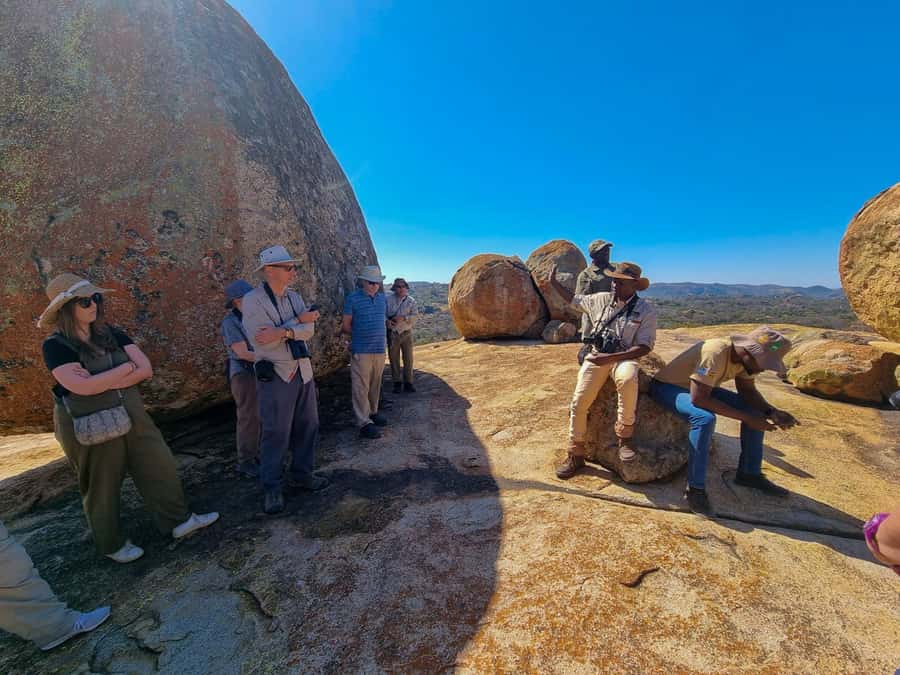
The rock paintings add an important layer to the day. You are not only looking at attractive scenery and animals. You are seeing evidence of people who used these shelters and recorded animals and other images on the rock.
Your guide explains the paintings and their connection to the broader story of rhino conservation in the Matobo area. The experience is stronger when you pause to consider that the same hills have held human meaning for a very long time, while also serving as habitat for wildlife.
The paintings are reached on foot, so this stop gives the day a useful change of pace. After the excitement of tracking rhinos, you get time to look closely and listen. The guide’s explanation is important because the art can be easy to pass over if you do not know what you are seeing.
The tour also brings in traditional plant knowledge. You may hear about the healing properties of plants found in the hills, alongside explanations of local wildlife and birds. That makes the outing feel less like a quick sightseeing circuit and more like an introduction to how people have understood and used this place.
Same falls, a completely different kind of day:
- Helicopter Scenic Flight over Victoria Falls 12-13 minutes Flight
★ 5.0 · 1,391 reviews - Victoria Falls: Dinner Cruise on the Zambezi River
★ 4.9 · 925 reviews - Dinner Cruise on the Zambezi River
★ 5.0 · 518 reviews - Victoria Falls: Boma Dinner and Drum Show
★ 4.4 · 415 reviews
Cecil Rhodes at World’s View
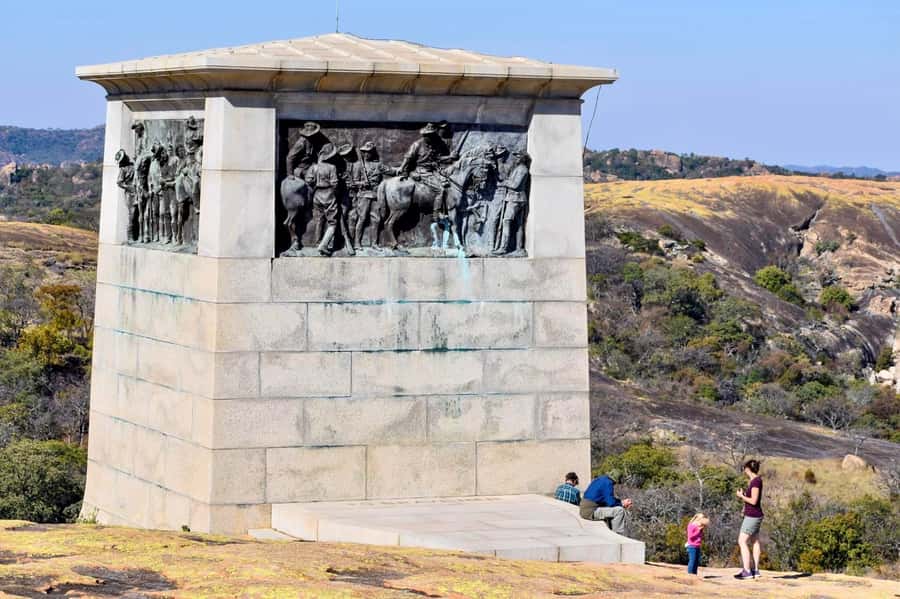
World’s View is one of the best-known stops in Matobo Hills. From here, you look across the rounded granite formations and open country, then visit the grave of Cecil John Rhodes, the European colonist who gave the viewpoint its name.
The setting is striking, but the history deserves a measured explanation. This is not just a scenic photo stop. You hear about Rhodes, the first European settlers, the Ndebele kings, and the conflicts known as the Matabele wars.
The area’s past includes the Shangani Patrol, in which 3,000 warriors killed the patrol according to the historical account presented on the tour. That story sits alongside the older cultural importance of the hills and the continuing significance of sacred sites.
I like that the visit does not present the colonial story by itself. The hills have meaning that predates Rhodes, and the Ndebele connection helps you place European arrival within a larger local story. If history interests you, this is one of the strongest reasons to choose the full tour instead of a simple game drive.
The views are also a welcome pause after the walking portion. You can take in the balancing rocks and broad Matobo setting while your guide fills in the background. A morning tea or snack break has been part of some outings at this point, and Blessing has also brought fruit and other snacks for the day. These extras are appreciated, but lunch and drinks are the more dependable inclusions listed for the tour.
Wildlife, birds, balancing rocks, and sacred places
Matobo is not only about rhinos. During the drive and walks, your guide looks for smaller animals, birds, and other signs of life. The pace can change quickly. You might be focused on a large granite formation one moment, then stop for a tortoise, bird, or plant.
A leopard tortoise has been spotted during one outing, and the guide’s habit of pointing out small details adds value to the drive. Without that trained eye, you could easily miss much of what is moving or growing around the truck.
The balancing rocks are among Matobo’s most memorable natural features. Their shape gives the hills a slightly playful appearance, but the effect is also grand and strange. They make good scenic stops because they show how different Matobo is from a flat savanna reserve.
Sacred sites are treated with respect. Listen carefully to your guide and avoid treating every rock or grave as a casual backdrop for photographs. This is a place where scenery, worship, memory, and conservation overlap.
The itinerary includes a game drive, scenic drive, wildlife viewing, and visits to an arts and crafts market. The precise order can change with animal sightings, road conditions, or the guide’s judgment. That flexibility is useful in a wildlife setting, though it means your day may not follow the clock minute by minute.
Lunch in the hills
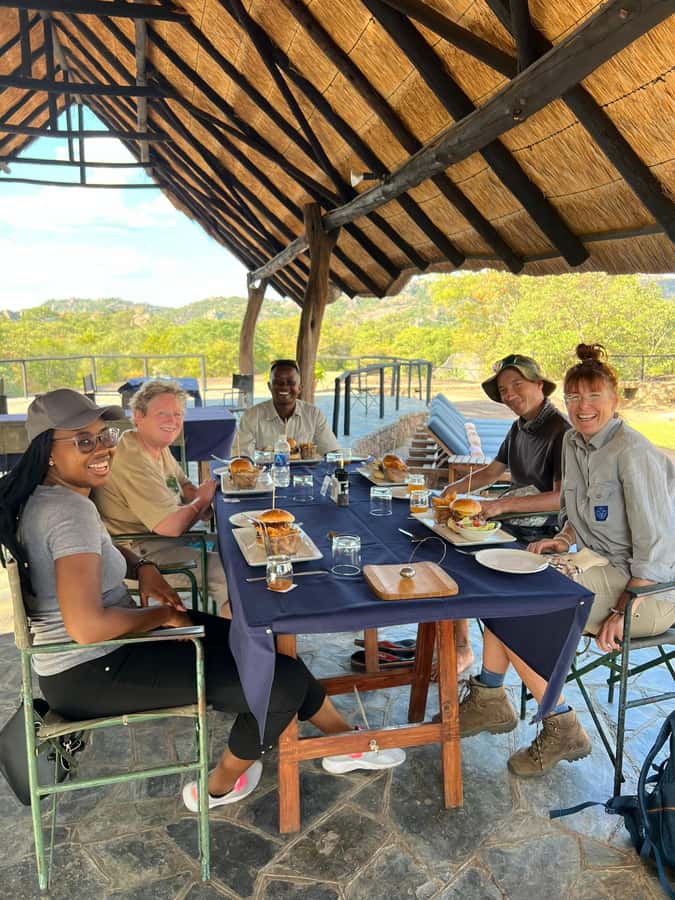
Lunch comes at a local spot in the Matobo Hills, described in recent outings as a lodge with beautiful views. The meal has been praised for generous portions and local flavors, and it gives you a proper break after the morning’s walking and tracking.
One practical point: lunch may be later than you expect. If you get hungry early, use the snacks and fruit provided during some outings, or carry a small personal snack if you need one. Bottled water and drinks are included, which helps in the sun.
I prefer this kind of lunch to an anonymous roadside stop. Eating in the hills lets the setting remain part of the experience, and the meal becomes a chance to talk through what you have seen. It also gives your legs time to recover before the final sightseeing and drive back.
The restaurant or lodge is not presented as a luxury dining destination, so book this for the setting and a satisfying meal rather than for a formal culinary event. The food is a strong part of the day, but the rhinos, paintings, and hills are still the main reasons to come.
What the $140 price gets you
At $140 per person, this is not the cheapest way to see Matobo, but the price covers more than transport. You receive pickup and drop-off in Bulawayo, park entry fees and taxes, a guided tour, the rhino tracking opportunity, the rock paintings, major scenic and historical stops, lunch, bottled water, and drinks.
The value depends on how much you want from the day. If you only want a drive through the hills, a simpler arrangement may cost less. If you want a guide who can manage a close rhino encounter, explain the history, identify wildlife, lead a short walk, and organize lunch, the package is easier to justify.
A former rhino ranger adds particular value here. The guide’s ability to judge animal behavior and keep the group calm is not a small extra. It affects both safety and the quality of the sighting.
The strongest value comes for people staying in Bulawayo who have one free day and want a broad Matobo introduction. You avoid arranging separate transport, park admission, guiding, lunch, and wildlife activities yourself. Personal shopping is not included, so budget separately if you plan to visit the arts and crafts market.
Who should book this Matobo day trip
I would choose this tour if you want a busy, varied day rather than a single-purpose safari. It suits you if you enjoy walking, history, wildlife, scenic views, and local food in roughly equal measure.
It is especially good for first-time visitors to Matobo. You get the major landmarks, a taste of the park, and enough explanation to understand why the hills matter. The English-language guiding is useful if you want context rather than a quiet transfer between viewpoints.
You should think twice if you dislike early starts, long days, uneven walking, or uncertain meal timing. You also need to follow wildlife instructions without debate. A rhino encounter is thrilling because the animal remains wild, not because it has been trained to pose.
The tour may be a good fit for solo visitors or small parties, but the exact group size is not provided. If having a private vehicle or a fixed group arrangement is essential, ask before booking rather than assuming.
Cancellation is flexible up to 24 hours before the activity for a full refund, and you can reserve now and pay later. That helps if your Bulawayo plans are still shifting, though you should still check the available starting time before committing.
FAQ
How long does the Matobo Hills day trip last?
The full experience lasts eight hours, including pickup and return to Bulawayo. Around seven hours are devoted to activities in Matobo National Park.
Is pickup from Bulawayo included?
Yes. Pickup and drop-off in Bulawayo are included, and you should look for the guide in a white open safari truck.
Is rhino tracking guaranteed?
The tour includes an opportunity to track rhinos on foot. Wildlife sightings and exact viewing distances can vary, so a specific close encounter cannot be guaranteed.
What language does the guide speak?
The live guide speaks English.
What should I bring?
Bring a sun hat, sunscreen, insect repellent, and closed-toe shoes. Comfortable walking shoes and suitable outdoor clothing are important because the trip includes walking and changing weather conditions.
Is lunch included?
Yes. Lunch at a local spot in the Matobo Hills is included, along with bottled water and drinks.
Can I cancel or pay later?
You can cancel up to 24 hours in advance for a full refund. The activity also allows you to reserve now and pay later.
Should you book it?
Book this trip if you want the full Matobo Hills picture in one day: rhinos at walking distance, ancient paintings, balancing rocks, sacred places, colonial history, Ndebele history, and lunch with a hill view.
I would be comfortable recommending it to an active visitor based in Bulawayo, particularly if Blessing is your guide. His rhino experience and attention to small wildlife details add real value. Just bring proper walking gear, keep your colors subdued, accept that lunch may run late, and treat the animal encounter with patience. At $140, it is a fair price for a guided day that combines several experiences you would otherwise need to arrange separately.
Just added around Zimbabwe
- Zambezi National Park Private Wildlife Safari (4 – 10 hours)★ 4.9 · 9 reviews
- Zimbabwe: Sundowner Cruise (Standard) Zambezi River★ 4.8 · 5 reviews
- Zambezi River: Kid-Friendly Whitewater Rafting★ 5.0 · 3 reviews
- Victoria Falls: Whitewater Rafting Experience★ 4.5 · 4 reviews
- Zambezi 3hr Game Drive★ 4.6 · 5 reviews
- Victoria Falls: Zambezi National Park Game Drive★ 3.9 · 8 reviews
- Victoria Falls: Zambezi River White Water Rafting Experience★ 5.0 · 7 reviews
- Victoria Falls: Vulture Safari and Bush Walk★ 5.0 · 5 reviews
1-Day Tours, compared.